
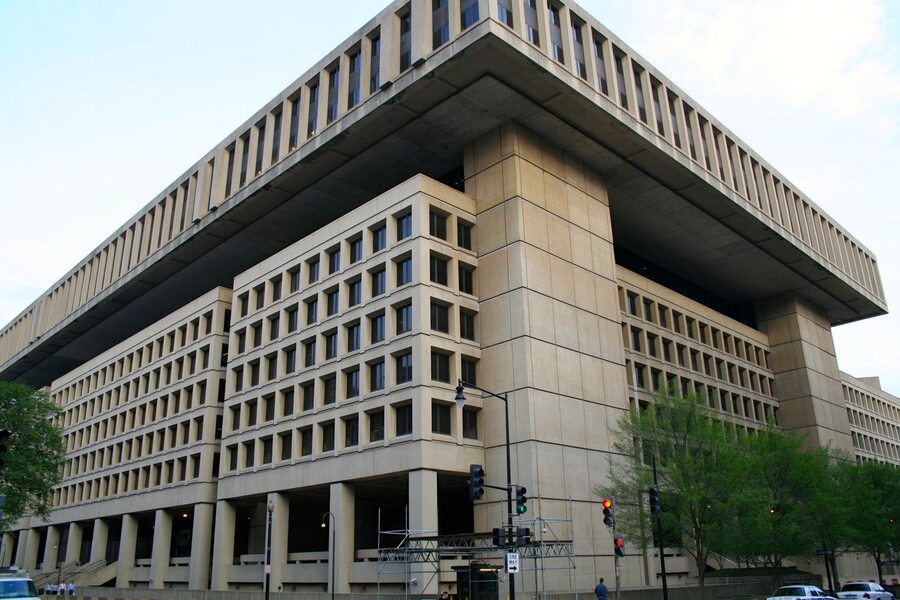
The Federal Bureau of Investigation's engagement with the UFO question began almost simultaneously with the modern era of the phenomenon itself. In the summer of 1947, as reports of disc-shaped objects flooded law enforcement and military communications channels across the United States, FBI Director J. Edgar Hoover sought to involve the Bureau in the investigation. His request was declined by Army Air Force leadership, which offered a briefing on “fake discs” but refused to share recovered physical material for laboratory analysis. Hoover's frustration was documented in an internal memorandum that would later become one of the most cited documents in UFO research: “I would give anything if I could see one of these things,” he reportedly wrote. “We have not been able to obtain any of the saucers.”
What followed was an uneasy institutional relationship that lasted decades. The FBI collected and retained thousands of UFO-related reports from civilians, law enforcement agencies, military personnel, and foreign intelligence services. These documents — many now accessible through the FBI's online Vault archive — reveal an organisation that was simultaneously sceptical of extraterrestrial explanations and genuinely uncertain about what was generating the volume and consistency of the reports it was receiving.
The Bureau's files document incidents that resisted easy dismissal. Among the most discussed is the Guy Hottel memo of 1950, in which an FBI agent reported a secondhand account of three flying saucers recovered in New Mexico, each allegedly containing three bodies of small humanoid beings dressed in metallic cloth. The Bureau has consistently described this document as a secondhand report of uncertain provenance and has not endorsed its contents. Nevertheless, the memo remains one of the most-viewed documents in the history of the FBI's electronic reading room.
The FBI's relationship with the Air Force's official UAP investigation programmes — Project Sign, Grudge, and later Blue Book — was marked by intermittent cooperation and persistent jurisdictional friction. Hoover repeatedly sought access to the military's classified UFO files and was repeatedly denied. The Bureau's own collection of UFO material was ultimately treated as a counter-intelligence concern — the question was less what the objects were and more whether the public and media interest they generated might be exploited by foreign adversaries as a channel for disinformation or public disruption.
In the post-Cold War era, the FBI's public posture toward the UAP subject has been one of institutional distance. The Bureau is not formally represented on the interagency UAP bodies that have emerged since 2017. Its archival holdings — encompassing more than fifty years of collected reports — have been made partially available through FOIA but remain incompletely processed. Researchers who have worked with those files consistently report that the available documents raise more questions than the Bureau has ever been willing to publicly address.