Ancient Aliens
Before History: The Extraterrestrial Question
From the deserts of Mali to the plains of Nazca, ancient peoples left behind knowledge, monuments, and myths that challenge everything we think we know about the origins of human civilization. Were they alone — or were they guided?
Ancient-astronaut theory proposes that extraterrestrial beings visited Earth in prehistory and influenced the development of ancient civilisations — through direct intervention, genetic modification, or the transmission of technological knowledge. The hypothesis draws on genuine archaeological puzzles: the precision stonework at Puma Punku, the astronomical complexity of Göbekli Tepe, the structural parallels between cosmologies separated by thousands of miles and many centuries.
The mainstream position — held by professional archaeologists, Assyriologists, and historians — is clear: no verified archaeological evidence establishes the involvement of extraterrestrial beings in any ancient civilisation. The remarkable achievements of antiquity are better explained by human ingenuity, incremental development, and capabilities that have been consistently underestimated. The academic consensus is not unanimous on every detail, but it is on this point.
This section examines both sides honestly. Our investigations cite published scholarship, attribute disputed claims, and distinguish what the evidence shows from what researchers assert. Where a site, text, or theory raises a question that the evidence has not yet resolved, we say so. Our archaeology overview explains the methodology in full.
■ Ancient Egypt — New
Ancient Egypt / Investigation
NC2 is a real, documented rock-cut structure on Giza’s northern cliff. Whether its passages extend beneath the major pyramids is a separate claim that has not been established.
Read the Full Investigation →
■ Ancient Egypt — New
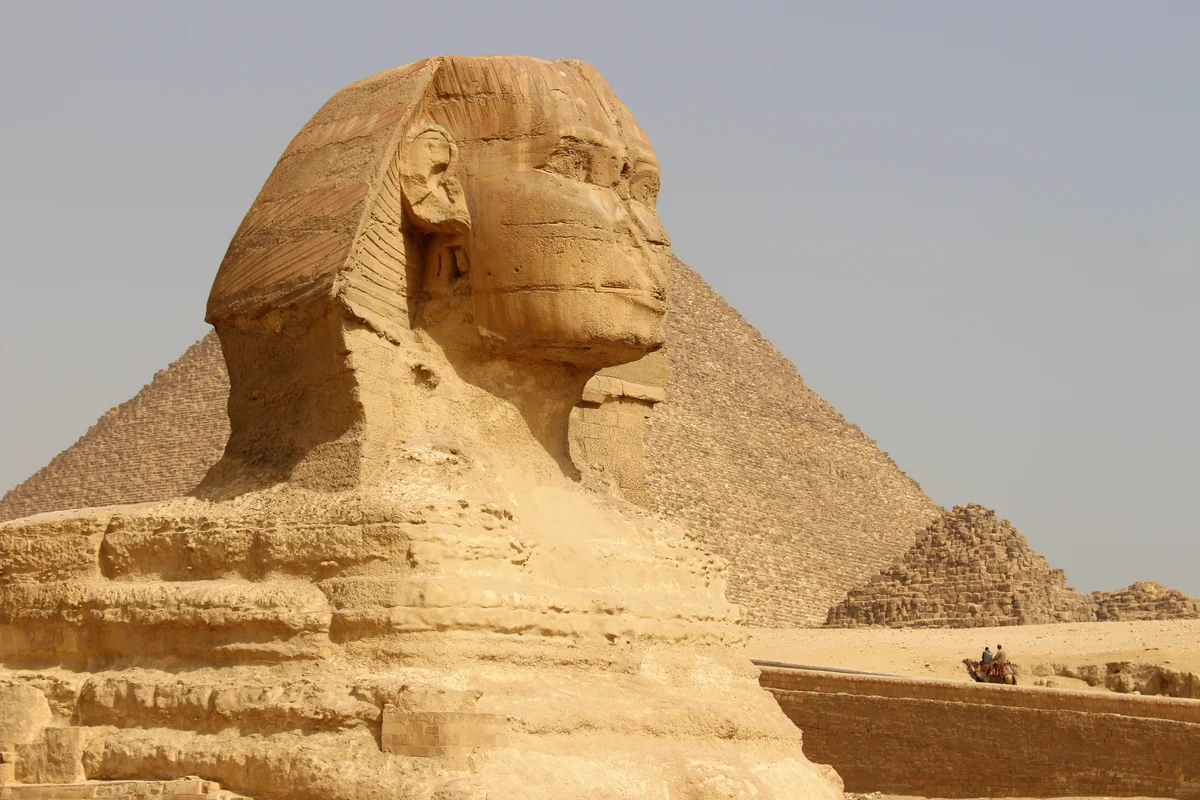
Ancient Egypt / Investigation
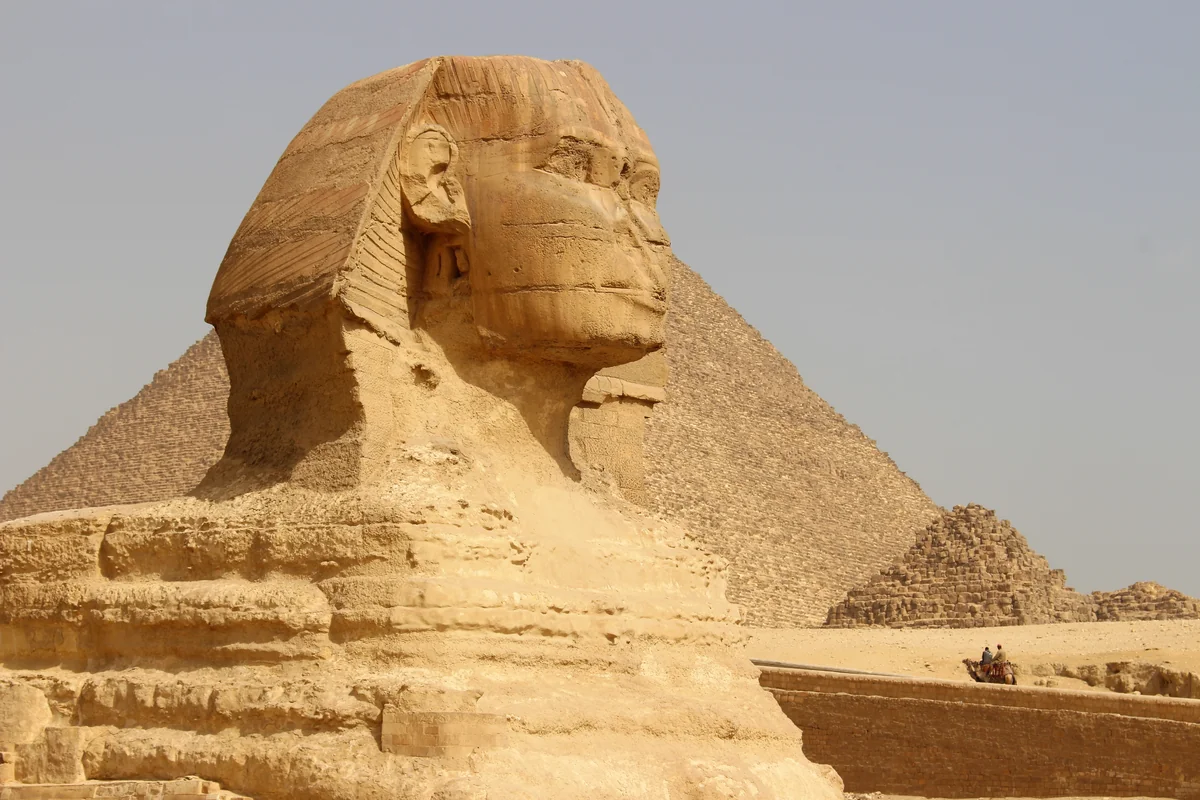
West argued that erosion on the Sphinx enclosure walls was caused by rainfall—making the monument far older than pharaonic Egypt. A genuine geological dispute, examined with the primary evidence.
Read the Full Investigation →
■ Ancient Mysteries — New
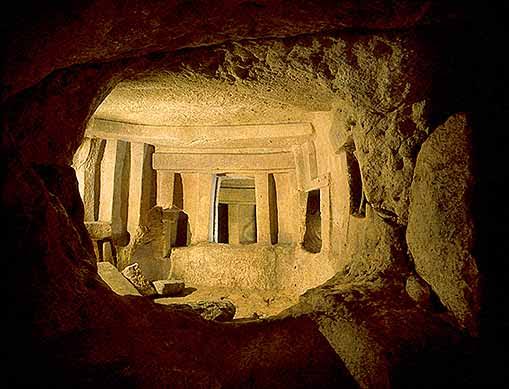
Malta / Archaeology
Beneath Paola, Malta, a 6,000-year-old underground sanctuary holds thousands of prehistoric remains — and a handful of long-headed skulls that have fuelled decades of extraterrestrial speculation. We examine what was actually found.
Read the Full Investigation →
■ Ancient Egypt — New
Ancient Egypt
Beneath Saqqara, enormous stone sarcophagi were constructed for Egypt’s sacred Apis bulls. We examine their archaeological context, transportation, stoneworking and controversial precision claims — separating documented evidence from speculation.
Read the Full Investigation →
■ Ancient Mysteries — New
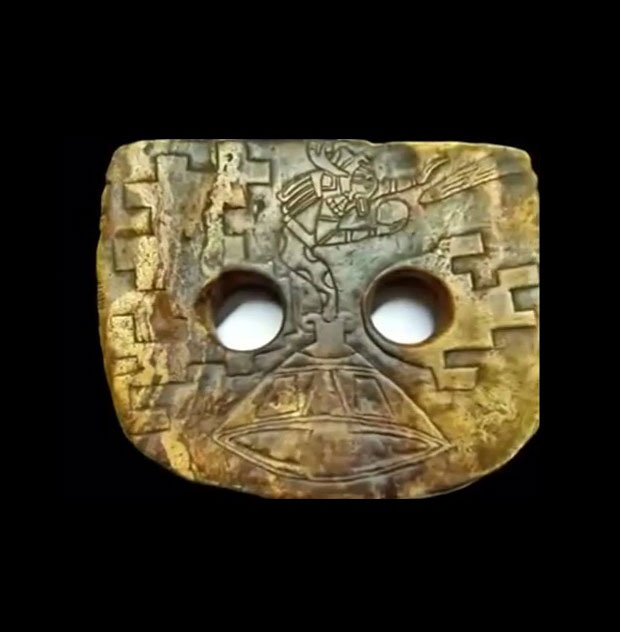
Lost Artifacts
A respected Salesian missionary accumulated thousands of artefacts in Cuenca, including engraved metallic plates later linked to a legendary underground library at Cueva de los Tayos. What the evidence actually shows — and what remains genuinely unknown.
Read the Full Investigation →
■ Ancient Mysteries — New
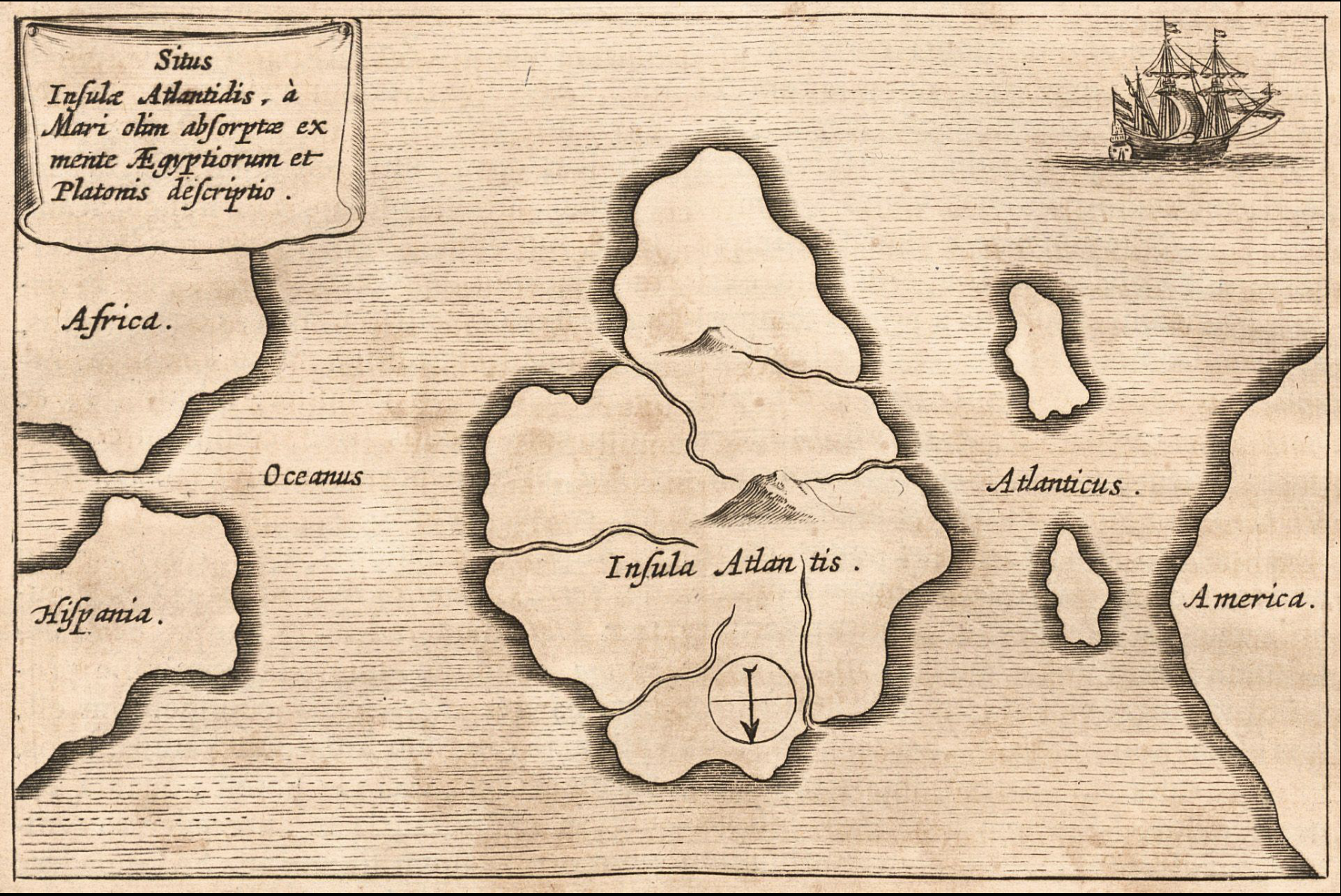
Lost Civilizations
Plato described it in 360 BC. Archaeologists have searched for it ever since. No confirmed site has ever been found. A comprehensive examination of what Plato actually wrote, the strongest historical candidates, and what archaeology can — and cannot — tell us about the world’s most enduring ancient mystery.
Read the Full Investigation →
■ Original Theory — August 2026
New Analysis
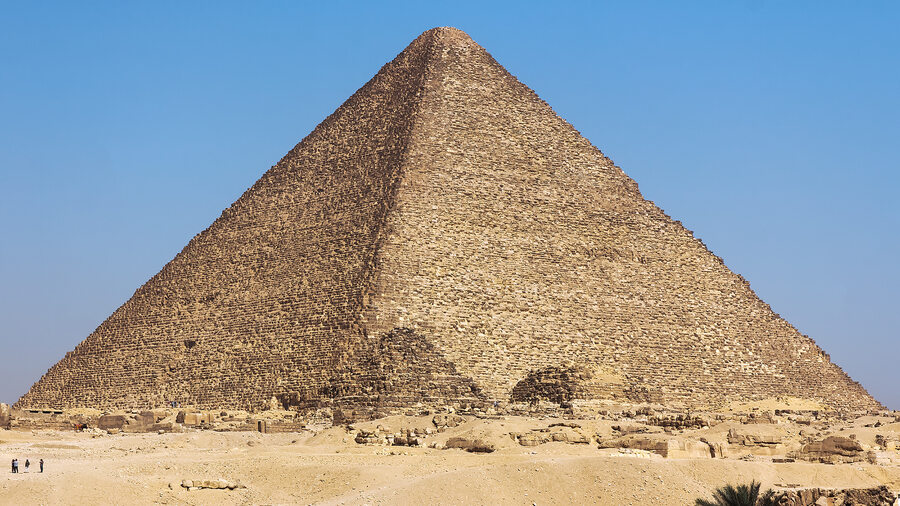
The Great Pyramid Re-examined: When AI Reads What Two Centuries of Science Could Not Explain
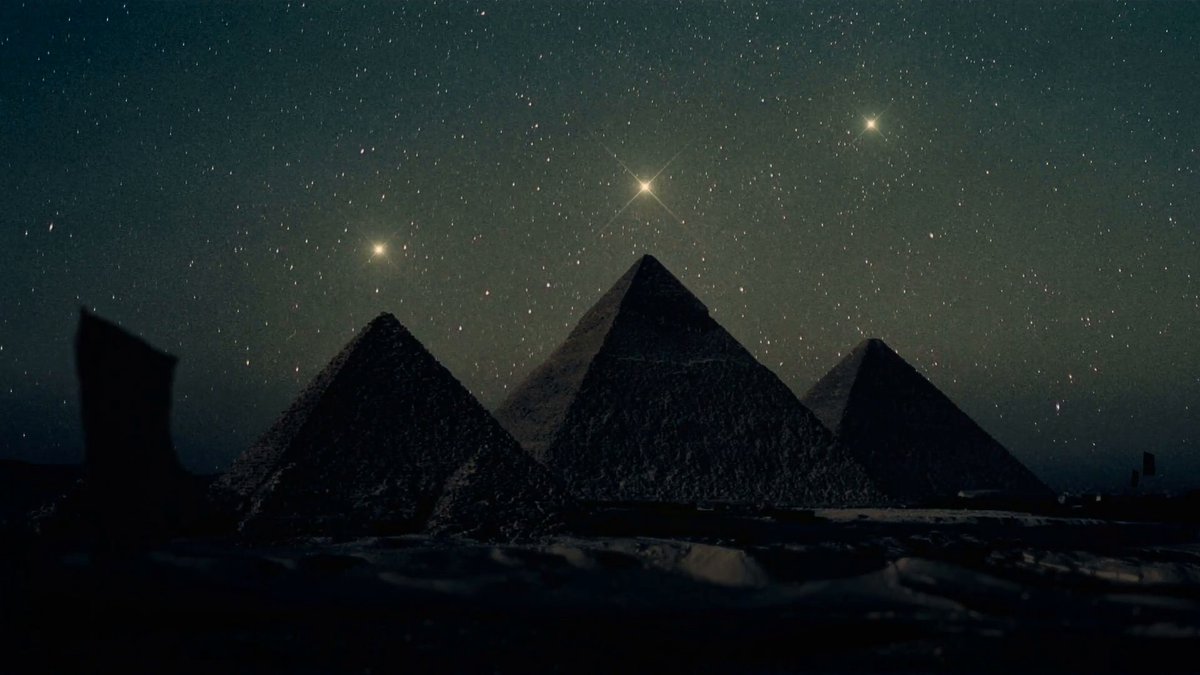
No construction tools in the chambers. Unrepeatable precision. A confirmed 30-metre hidden void. And three pyramids built in declining quality — the opposite of any civilisation learning a skill. We examine the confirmed science alongside the UFO Times original theory: that the construction technology may not have been indigenous.
Read the Investigation →
Ancient Aliens
The Pyramids and the Impossible Question of How
The Great Pyramid was the tallest man-made structure on Earth for nearly four thousand years. Its base is level to within 2.1 centimetres; its sides align to true north to within a fraction of a degree. Some granite blocks weigh more than 80 tonnes, transported roughly 800 kilometres. Conventional dating places its construction within approximately 20 years — a timeline archaeologists continue to study.
Continue Reading →
Ancient Aliens
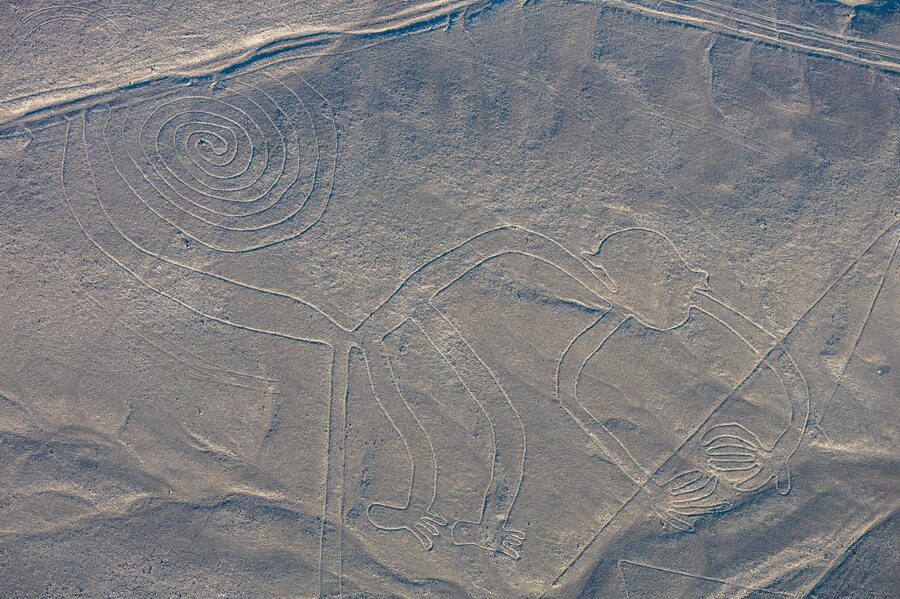
The Nazca Lines: A Message Written for the Sky
In the Peruvian desert, someone spent centuries etching enormous figures into the earth — hummingbirds, spiders, monkeys, condors — so large they can only be fully appreciated from the air. Archaeologists generally interpret them in ritual and landscape contexts; their precise function remains debated.
Continue Reading →
Ancient Aliens
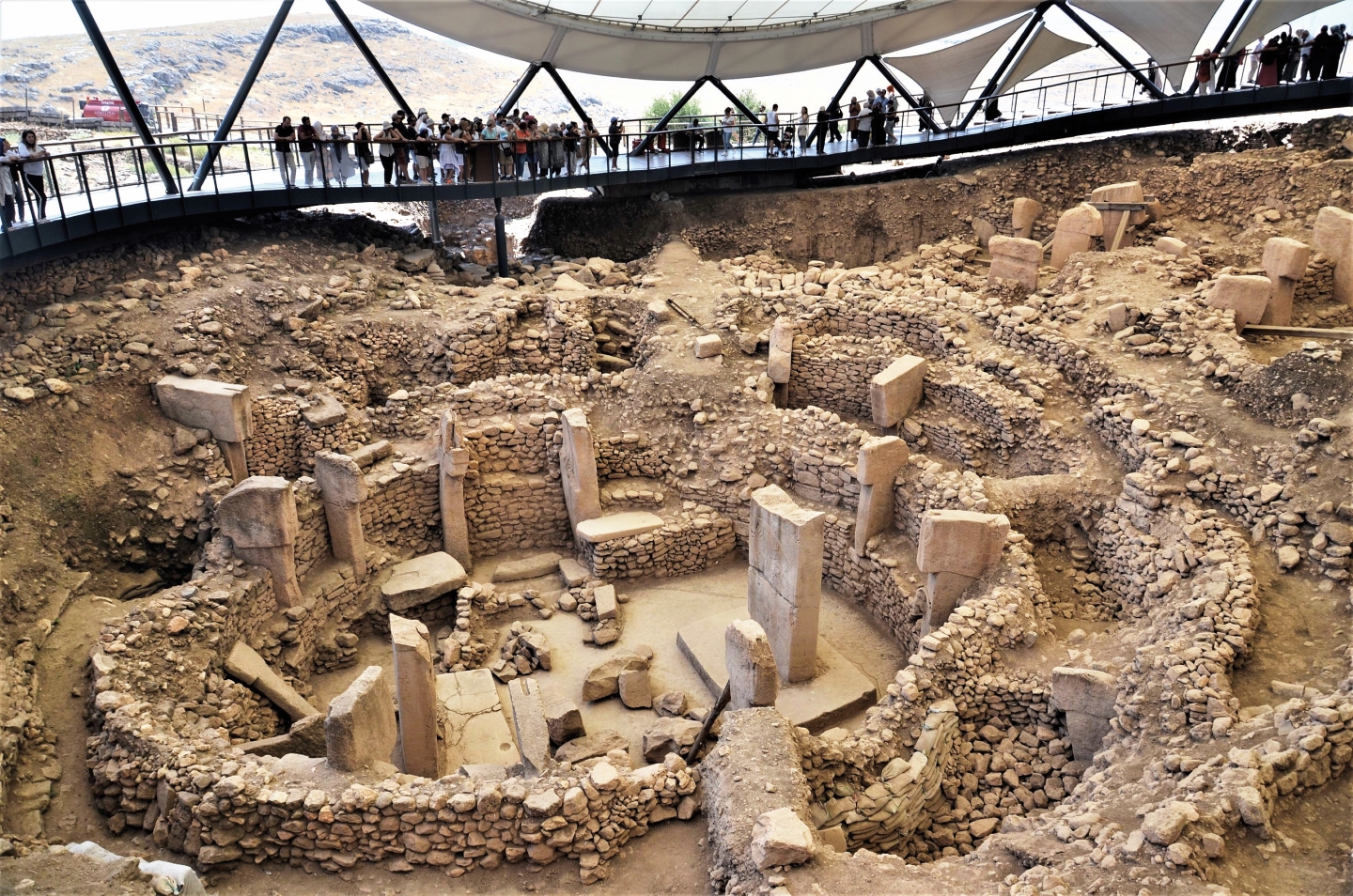
Göbekli Tepe: The Temple That Rewrote Human History
Built 12,000 years ago by people with no agriculture, no pottery, and no permanent settlements, Göbekli Tepe overturned the assumption that complex architecture requires settled civilisation. Then, around 8,000 BCE, its builders deliberately buried it. No one knows why.
Continue Reading →
Ancient Aliens
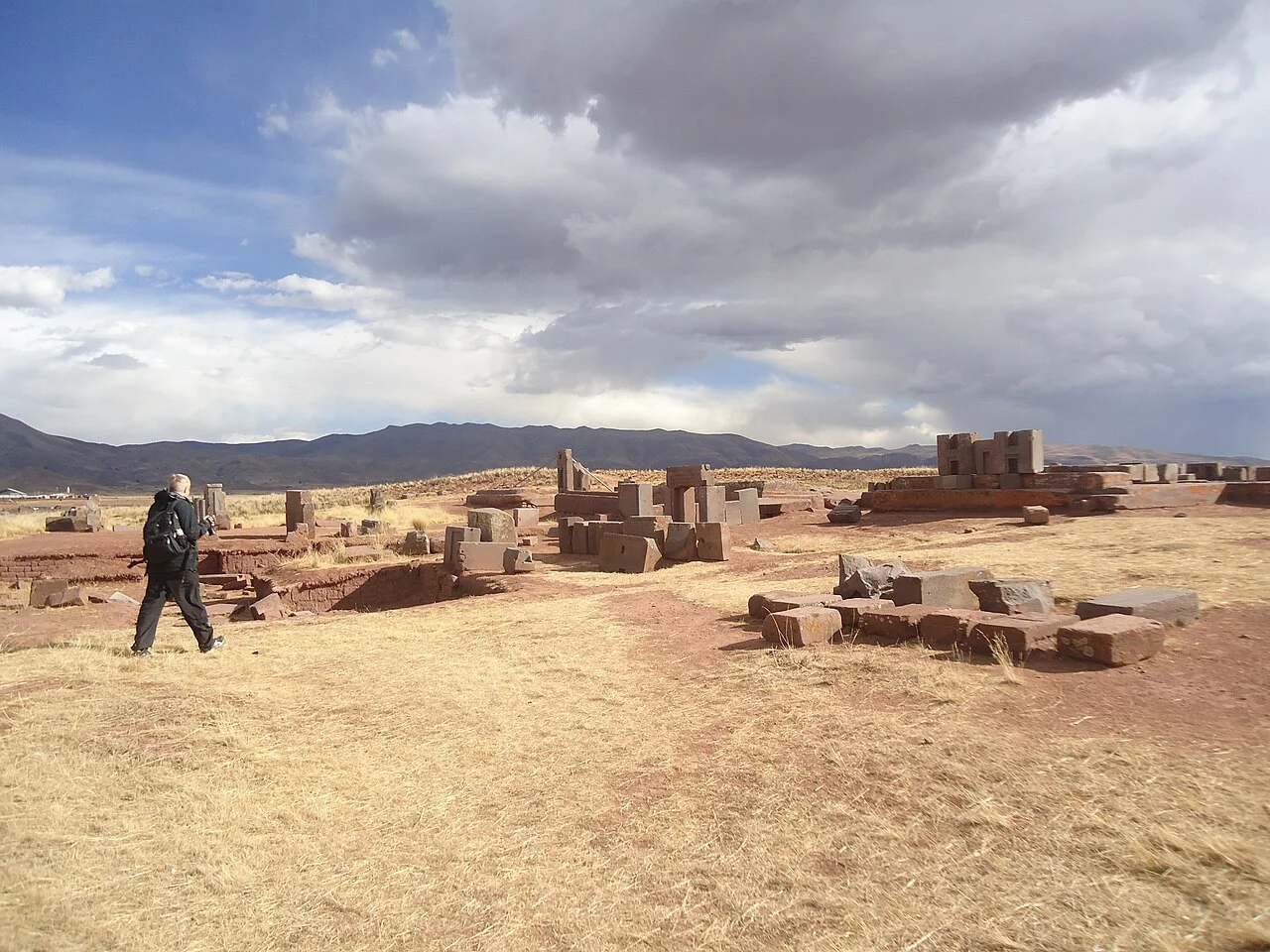
Puma Punku: What Archaeology Reveals About Its Extraordinary Stonework
On the Bolivian altiplano at 3,850 metres, the Tiwanaku civilisation built a ceremonial platform of unprecedented geometric precision. The H-shaped andesite blocks weigh roughly 600 kg each, not hundreds of tonnes. Archaeologists have replicated the stonework with stone tools. The full story is more remarkable than the myths.
Continue Reading →
Ancient Aliens
Pyramids Around the World: One Blueprint, Many Civilisations
Egypt, Sudan, Mexico, Cambodia, China, Indonesia — every ancient civilisation built pyramids, many sharing astronomical orientations and mathematical proportions. Independent invention accounts for the basic form; whether it also explains the engineering parallels is a question archaeologists continue to examine.
Continue Reading →
Ancient Aliens
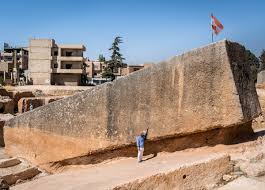
Impossible Ruins: The Megalithic Structures That Defy Conventional Archaeology
Baalbek’s 1,650-tonne quarry block. Sacsayhuamán’s stones fitted with extraordinary precision. Easter Island’s statues moved by a population of approximately 15,000. These structures raise genuine questions about ancient construction methods that archaeology continues to research.
Continue Reading →
Ancient Aliens
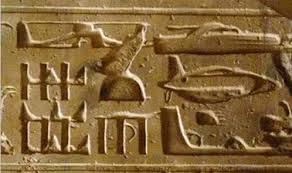
The Abydos Hieroglyphs: Egypt’s Most Controversial Carvings
On the ceiling of the 3,000-year-old Temple of Seti I, a set of hieroglyphs has been read as depicting a helicopter, a submarine, and a fixed-wing aircraft. Egyptologists consider the palimpsest explanation — overlapping carved texts creating accidental resemblances — the most plausible reading. Both explanations are examined here.
Continue Reading →
Ancient Aliens
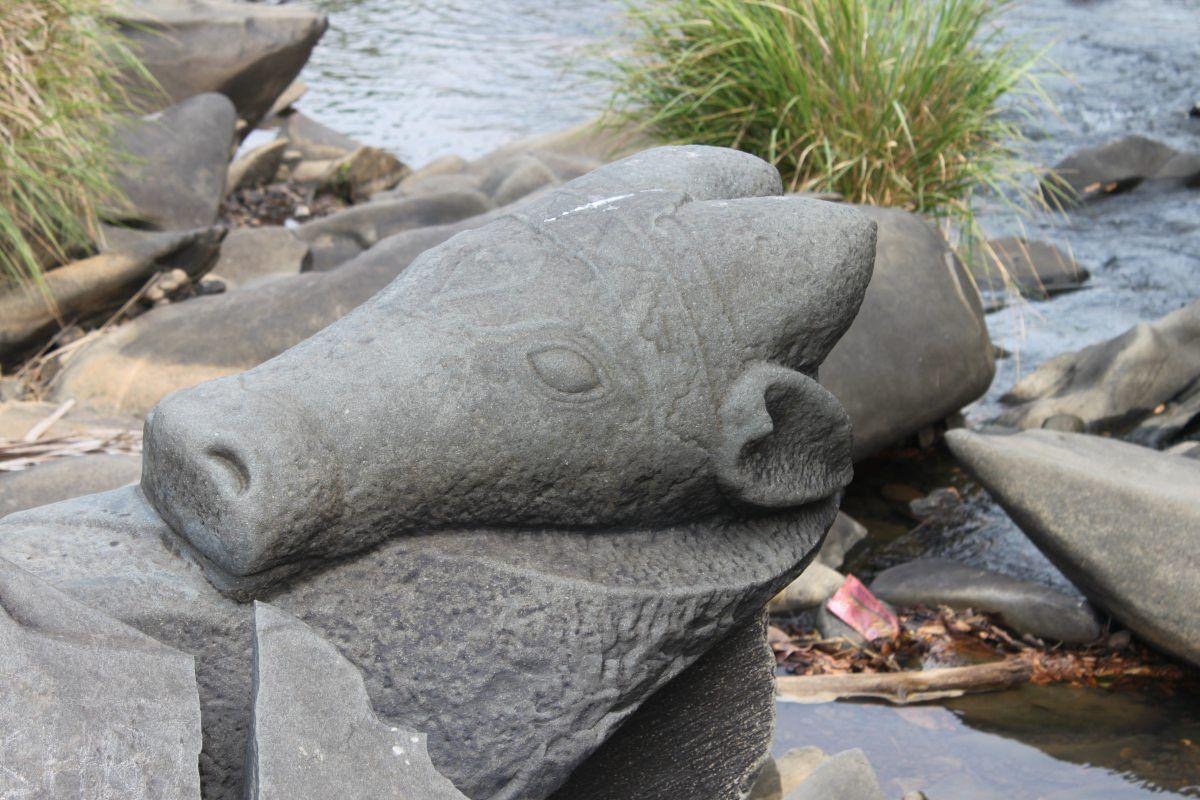
The Kailasa Temple: Carved from a Single Rock by Hands That Shouldn’t Have Known How
Carved top-down from a single basalt cliff in the 8th century, the Kailasa Temple at Ellora required the removal of an estimated 400,000 tonnes of solid rock. It is the largest monolithic structure on Earth — twice the size of the Parthenon. Its full construction sequence has not been documented, and the engineering remains a subject of study and debate.
Continue Reading →

Ancient Aliens
The Dropa Stones: Stone Disks That May Tell a Story No One Wants to Hear
In 1938, an archaeological team in the Chinese mountains reportedly discovered stone disks inscribed with microscopic spiral markings. A claimed decipherment described a crashed spacecraft and stranded beings. The original expedition records and the stones themselves have not been independently verified; the story rests on sources that have not withstood scrutiny.
Continue Reading →⚠ Editorial note: Some claims in this article are disputed or require source verification; deeper review is in progress.

Ancient Aliens
The Palenque Tomb Lid: Pakal’s Journey to the Underworld, or Something Else Entirely
Discovered in 1952 beneath the Temple of Inscriptions at Palenque, the four-metre carved lid of Mayan ruler Pakal the Great has divided scholars for seventy years. Mayan iconographers see a king descending to the underworld according to established Mayan funerary iconography. Ancient astronaut researchers see a man at the controls of a machine. Both interpretations are examined.
Continue Reading →
Ancient Aliens
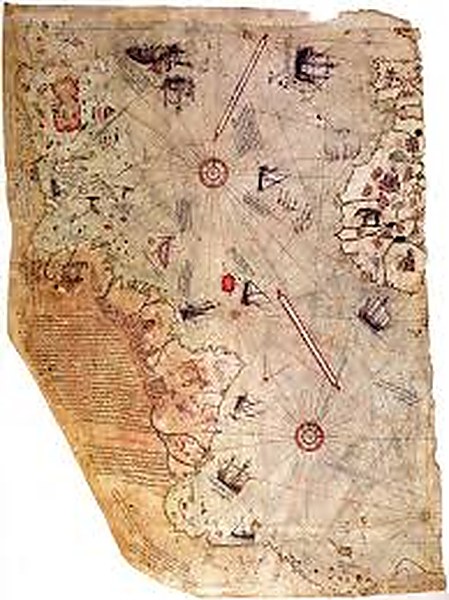
The Piri Reis Map: The Ottoman Admiral Who Copied a Chart No One Should Have Had
Drawn in 1513 from earlier source charts the admiral could not fully identify. Some researchers argue a southern landmass on the map corresponds to Antarctica before its 1820 discovery; historians and cartographers consider this reading disputed, attributing the landmass to projection conventions of the era. The source charts have never been found.
Continue Reading →
Ancient Texts & Traditions
■ Indigenous Prophecy — New
■ Indigenous Prophecy
Indigenous Prophecy
The Hopi say a blue star will signal the Day of Purification. What the oral tradition actually says about Kachinas, the Blue Star, and Pahana — and where ancient astronaut theorists diverge from the documented record.
Read the Full Investigation →
■ Ancient Texts — New
Ancient Texts
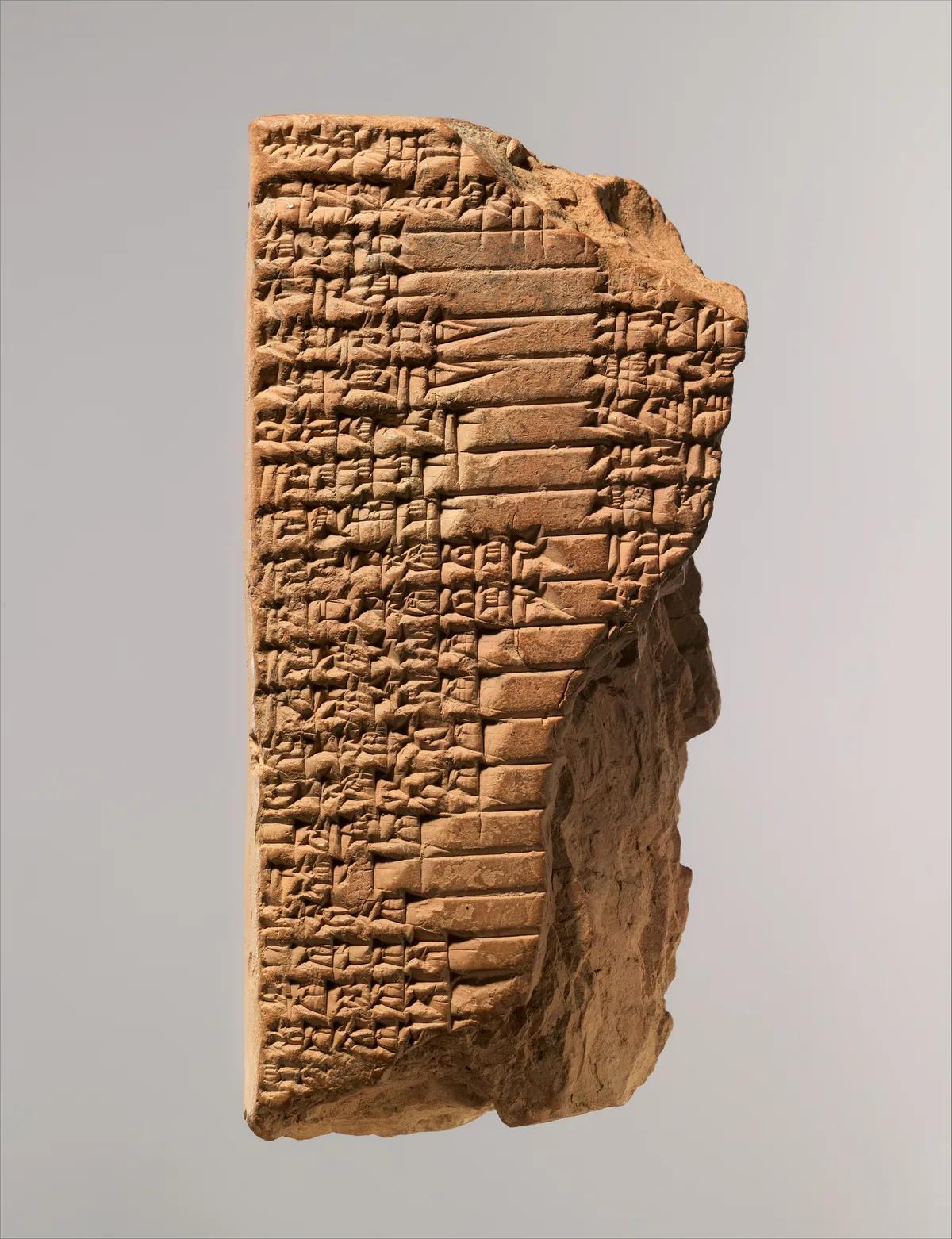
An Old Babylonian Akkadian composition written down around 1700 BCE containing a creation narrative, a series of divine plagues, and a flood account structurally parallel to Genesis — examined through scholarship, not sensationalism.
Read the Full Investigation →
■ Sacred Texts — New
Sacred Texts
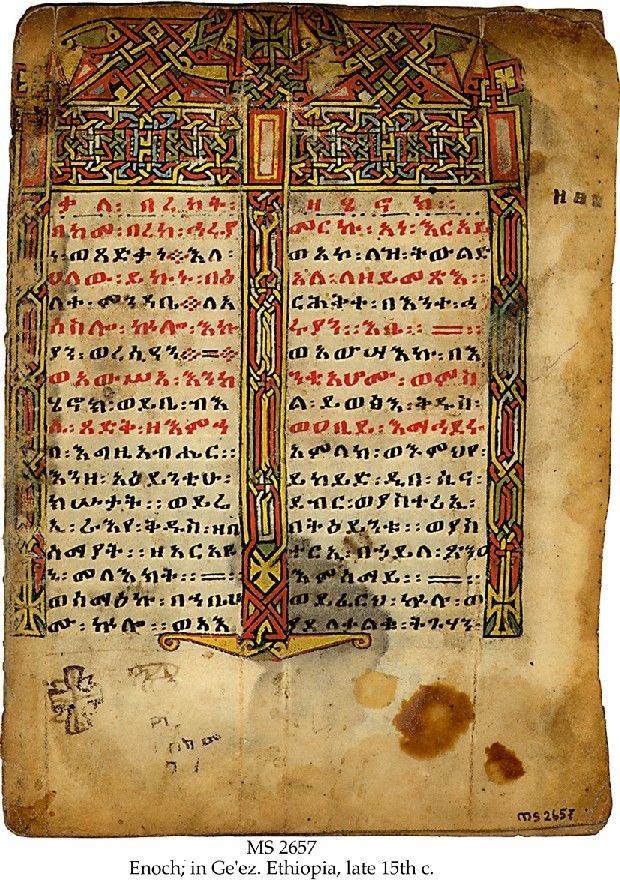
Referenced by early Christians, preserved for centuries by the Ethiopian Orthodox Church, and rediscovered among the Dead Sea Scrolls — the Book of Enoch is one of antiquity’s most influential texts. A thorough, balanced examination of its origins, the Watchers, the Nephilim, and the competing interpretations that continue to surround it.
Continue Reading →
■ Sacred Texts — New
Sacred Texts
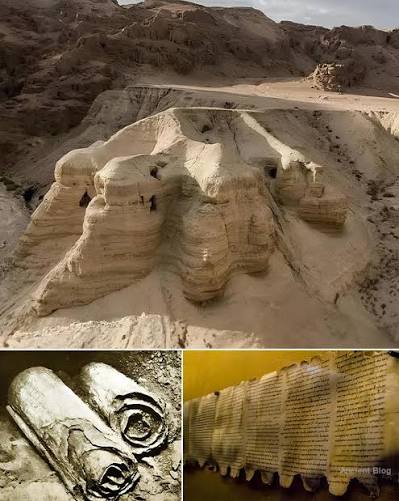
In 1947, a shepherd’s thrown stone revealed nearly 900 ancient manuscripts hidden for two thousand years. What the Dead Sea Scrolls actually contain, what they revealed about the Bible and Second Temple Judaism, and why the conspiracy theories surrounding them never matched the archaeological evidence.
Continue Reading →
■ Sacred Texts — New
Sacred Texts
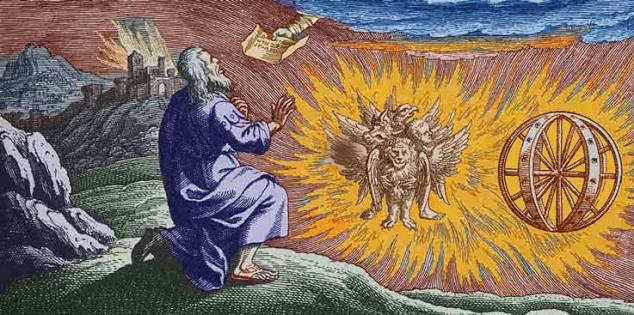
One of the most extraordinary accounts in the Hebrew Bible, written by a Jewish priest in Babylonian exile, 593 BC. What Ezekiel actually described, how it shaped Jewish Merkabah mysticism, and why a NASA engineer proposed a spacecraft interpretation in 1974 — a reading rejected by mainstream biblical scholarship.
Continue Reading →

Ancient Aliens
The Dogon & the Nommos: Star Knowledge from the Water Beings
In the 1930s, French anthropologists reported that the Dogon people of Mali possessed precise astronomical knowledge of the Sirius star system — including a white dwarf companion invisible to the naked eye. The Dogon’s own account attributes this to sky-beings. Later researchers questioned the original ethnography and proposed cultural transmission from Western visitors. The claimed Sirius knowledge is not accepted as evidence of extraterrestrial contact.
Continue Reading →
Ancient Aliens
The Anunnaki: Gods, Aliens, or Myth? What the Sumerian Tablets Really Say
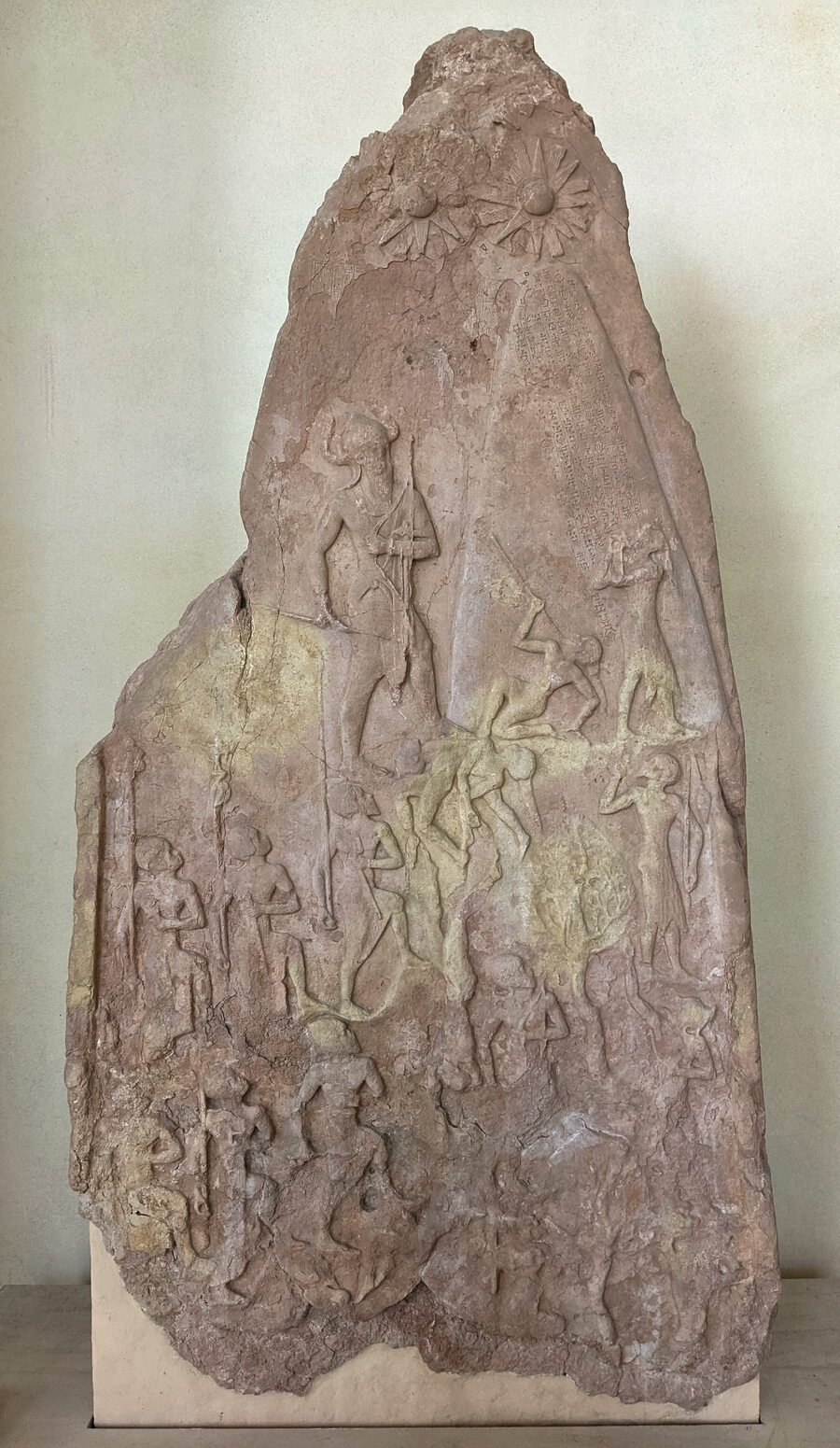
Long before the Bible, the Sumerians recorded creation narratives on clay tablets describing the Anunnaki — a pantheon who created humanity, established civilisation, and eventually departed. Mainstream Assyriologists interpret them as mythology. The Sumerian tablets are real; the debate over their meaning has been intense for over a century.
Continue Reading →
Ancient Aliens
The Mahabharata and Ancient Warfare: Vimanas, Brahmastra, and the Memory of Lost Technology
The ancient Sanskrit epics describe flying vehicles with operational specifications and weapons whose effects some researchers compare to nuclear fallout. At Mohenjo-daro, archaeologists found vitrified material in disputed contexts. The texts and the physical evidence are examined separately; claims connecting them remain unverified.
Continue Reading →

Ancient Aliens
The Silurian Hypothesis: Could an Advanced Civilisation Have Existed Before Us?
In 2018, NASA climatologist Gavin Schmidt and astrophysicist Adam Frank published a peer-reviewed paper examining what geological signatures an ancient industrial civilisation might leave behind. Their answer: most physical artefacts would not survive, though some chemical signatures might persist. The paper does not claim a prior civilisation existed; it asks whether we would know if one had.
Continue Reading →

Ancient Aliens
Other Worlds in the Bible: What the Scriptures Say About Life Beyond Earth
The Book of Ezekiel describes beings descending from the sky in a wheeled craft. Aerospace engineer Josef Blumrich proposed a spacecraft interpretation; this is a minority reading rejected by mainstream biblical scholarship. The Nephilim of Genesis are most commonly read as mythology or allegory. Both the established readings and the alternatives are examined.
Continue Reading →
Ancient Aliens
The Quran and the Cosmos: Islam’s Sacred Text and the Question of Other Worlds
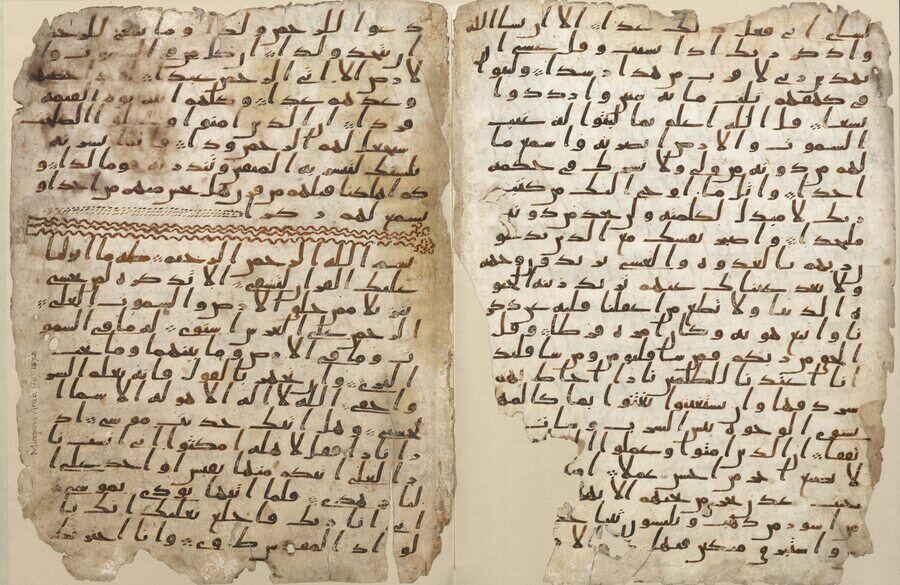
The Quran’s cosmology is expansive: it describes a universe of multiple heavens and refers to God as “Lord of the worlds.” Traditional interpretation takes “worlds” to encompass realms of existence rather than inhabited planets; modern scholars have also proposed extraterrestrial-life readings. The debate has moved from the edges of Islamic scholarship toward its mainstream.
Continue Reading →

Ancient Aliens
The Torah and the Stars: Jewish Scripture and the Possibility of Other Civilisations
Within the Talmudic tradition there is a reference to the universe containing 18,000 worlds — a figure whose meaning has been debated for centuries. Rabbi Chasdai Crescas argued in the 14th century that God’s power should not be assumed limited to a single creation. Torah accounts of divine appearances have been examined by researchers asking whether they describe non-human encounters; the question remains open within scholarship.
Continue Reading →

Ancient Aliens
Ancient Echoes: The Alien Connection in Sumerian and Biblical Texts
Sumerian creation myths and the Genesis narratives of the Hebrew Bible share structural elements — a creation by divine beings, a flood, the eventual departure of those beings — despite being separated by centuries and culture. Scholars offer explanations ranging from shared oral tradition to independent parallel development. Whether those explanations are sufficient is the subject of this investigation.
Continue Reading →

Ancient Aliens
Giants on Earth: Why Every Ancient Culture Remembered Them
The Nephilim of Genesis, the Titans of Greece, the Jötunn of Norse legend — many ancient traditions describe beings of extraordinary scale. Mainstream scholarship reads these as mythological. Claims of anomalous skeletal remains have circulated for decades; these are examined here alongside what the physical evidence actually documents.
Continue Reading →⚠ Editorial note: Some claims in this article are disputed or require source verification; deeper review is in progress.
Ancient Aliens
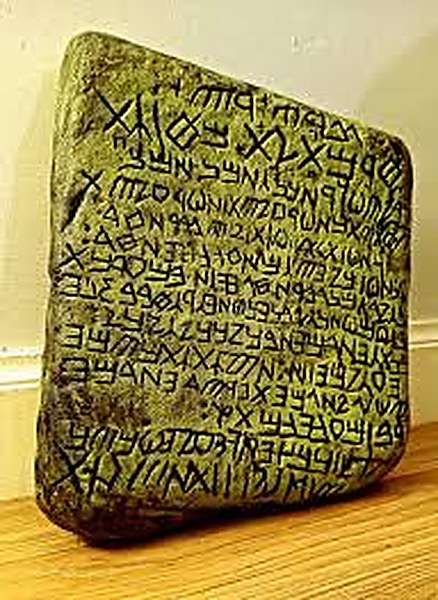
The Emerald Tablets of Thoth: The Text That Refuses to Be Explained Away
The Emerald Tablets claim to preserve the wisdom of a priest-king of Atlantis. Their modern translation cannot be authenticated, and their origin is disputed. The philosophical content has attracted comparisons to Hermetic cosmology; several claims made about their antiquity and authorship are not supported by historical evidence.
Continue Reading →⚠ Editorial note: Some claims in this article are disputed or require source verification; deeper review is in progress.
Ancient Aliens
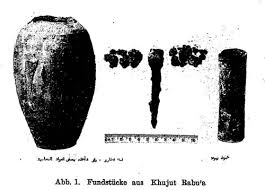
Ancient Energy Technology: The Baghdad Battery, the Dendera Light, and the Electricity the Ancients Weren’t Supposed to Have
A 2,000-year-old clay pot from Iraq generates a small voltage when filled with acidic liquid. Egyptian temple carvings have been compared by some researchers to cathode ray tubes; this reading is rejected by Egyptologists. The individual artefacts and reliefs are examined, with sources, alongside the conventional interpretations.
Continue Reading →⚠ Editorial note: Some claims in this article are disputed or require source verification; deeper review is in progress.