JH
J. Allen Hynek
Astronomer · Project Blue Book · CUFOS Founder
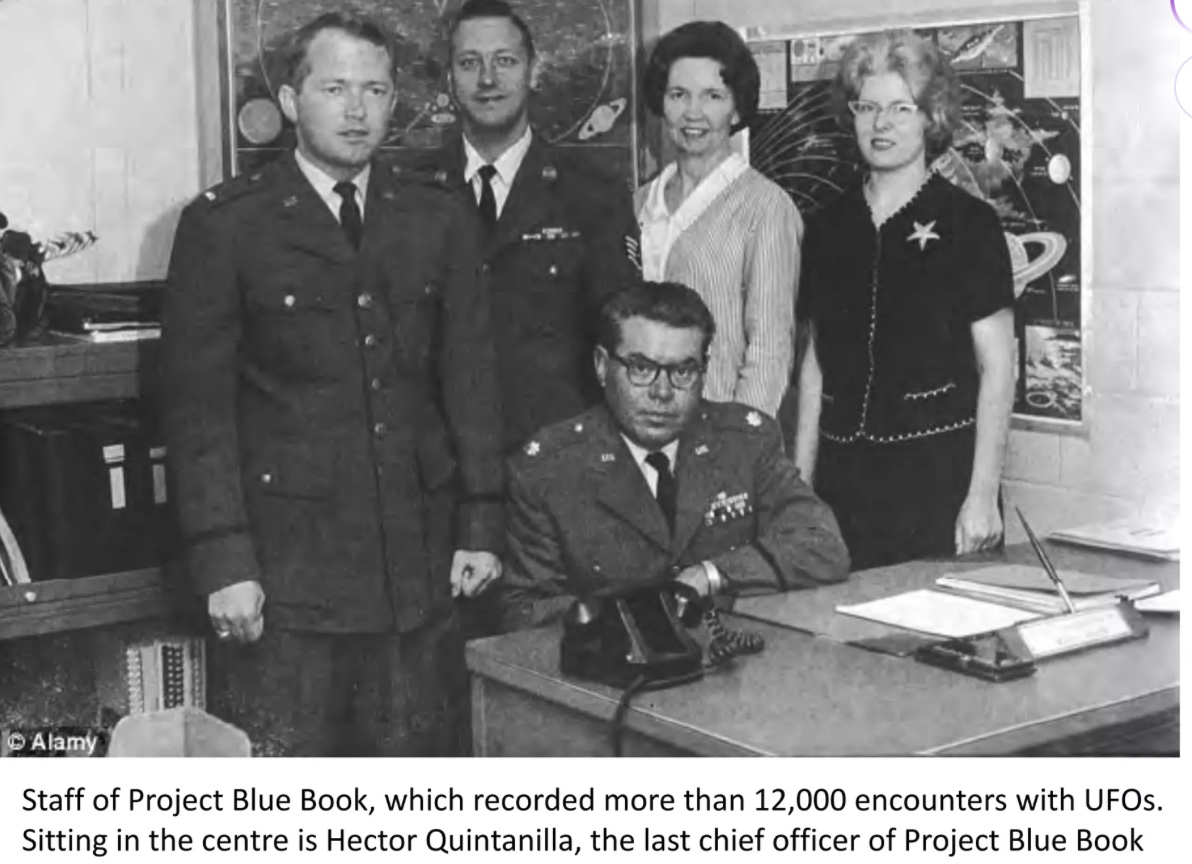
Few figures in UFO history represent a more dramatic intellectual journey than J. Allen Hynek. Hired by the U.S. Air Force in 1948 as scientific consultant for Project Sign — and later Project Blue Book — Hynek's initial role was essentially that of a professional debunker. What he found instead slowly, stubbornly changed his mind: after evaluating thousands of reports over two decades, he concluded that a significant percentage could not be explained by misidentified aircraft, weather phenomena, or astronomical events. The witnesses were credible — pilots, police officers, military personnel — and their observations were consistent.
In 1972, Hynek published The UFO Experience: A Scientific Inquiry, introducing the "Close Encounters" classification scale that would later inspire Steven Spielberg's landmark film. He founded the Center for UFO Studies (CUFOS) in 1973, creating the first serious academic infrastructure for UFO research.
Browse Hynek's books in our store →
Read full profile →
JV
Jacques Vallée
Computer Scientist · Astronomer · Author
Jacques Vallée occupies a unique position in UFO research: a scientist rigorously trained in both computer science and astronomy who has spent fifty years arguing that the phenomenon is far stranger than either believers or skeptics typically acknowledge. In his landmark 1969 work Passport to Magonia, Vallée drew a detailed comparison between modern UFO encounter reports and centuries of folklore describing fairies, demons, and divine visitations — arguing the phenomenon had been occurring throughout human history, changing only its cultural costume.
Vallée worked alongside J. Allen Hynek during the Project Blue Book era and later consulted for Silicon Valley venture capital firms. He remains one of the most intellectually rigorous voices in the field — respected equally by those who accept his conclusions and those who do not.
Browse Vallée's books in our store →
Read full profile →
JM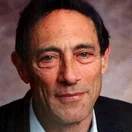
John E. Mack, M.D.
Harvard Psychiatry Professor · Pulitzer Prize Winner
When John Mack — a Harvard Medical School professor, Pulitzer Prize-winning biographer, and one of America's most respected psychiatrists — announced in 1992 that he was conducting serious research into alien abduction experiences, the academic establishment reacted as if he had lost his mind. Over eight years, Mack personally interviewed more than two hundred individuals who reported being taken by non-human entities. His subjects were drawn from all walks of life with no prior connection to UFO culture, and their accounts showed striking consistencies in detail and structure.
His 1994 book Abduction: Human Encounters with Aliens shook both the psychiatric community and the UFO research world simultaneously. Harvard launched a formal faculty committee inquiry — an almost unprecedented step — and ultimately concluded he had the right to conduct the research. Mack died in 2004, leaving behind a body of work that remains both deeply influential and deeply contested.
Browse Mack's books in our store →
Read full profile →
DJ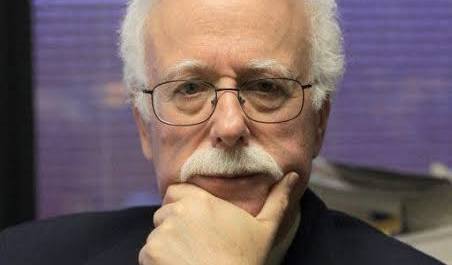
David M. Jacobs, Ph.D.
Temple University Historian · Hypnotic Regression Researcher
David Jacobs came to UFO research through history, not science. A Temple University professor who wrote his doctoral dissertation on the social history of the UFO controversy, he was, by training, a historian of a phenomenon — not a believer in it. That changed when he began hypnotic regression sessions with abduction experiencers in the 1980s. Over more than three decades, Jacobs regressed more than 150 individuals across hundreds of sessions, finding a disturbing pattern: subject after subject independently described what appeared to be a systematic hybridization process — the creation of beings combining human and non-human biological material.
His findings are documented in Secret Life (1992) and The Threat (1998). Critics have challenged both his methodology and his conclusions. What Jacobs insists upon is that the consistency of accounts across decades and continents demands an explanation that mainstream science has not yet provided.
Browse Jacobs' books in our store →
LK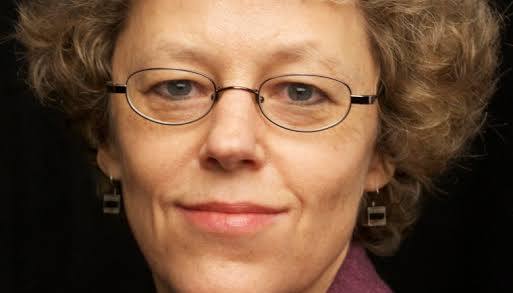
Leslie Kean
Investigative Journalist · New York Times · Author
Leslie Kean is the journalist who, perhaps more than any other single person, brought the UAP story into the mainstream of American public life. Her 2010 book UFOs: Generals, Pilots and Government Officials Go on the Record set the standard for documented, verifiable UAP cases — pilots, generals, and air traffic controllers on the record with nothing to gain. Seven years later, she co-authored the New York Times report revealing the Pentagon's secret AATIP, breaking on December 16, 2017 — a story that changed the conversation about UFOs forever.
Kean continued reporting on the subject, co-authoring the 2023 New York Times story bringing whistleblower David Grusch's allegations of a secret non-human craft retrieval program to national attention — triggering the most serious congressional investigation into UAPs since Project Blue Book closed in 1969.
Browse Kean's books in our store →
Read full profile →
AL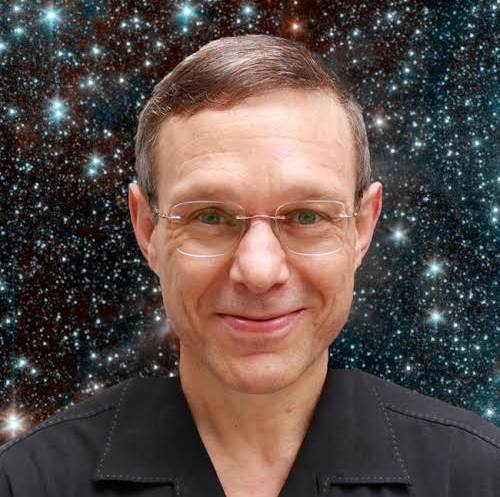
Avi Loeb
Harvard Astrophysicist · Galileo Project Founder
Avi Loeb is the most credentialed scientist to publicly advocate for taking the extraterrestrial hypothesis seriously. As the former Chair of Harvard's Department of Astronomy and author of over 800 peer-reviewed publications, his credentials are beyond dispute. After his controversial 'Oumuamua paper proposed the object might be an artificial light sail, Loeb founded the Galileo Project in 2021 — a systematic, scientific effort to search for evidence of extraterrestrial technological objects using rigorous protocols and telescope arrays.
Loeb is a forceful critic of the "culture of conformism" in academic science — the institutional pressure to avoid controversial hypotheses that might damage careers or funding. "The question of whether we are alone in the universe is the most profound one we can ask," he has written. "Refusing to investigate it seriously because the answer might be inconvenient is not science. It is cowardice."
Browse Loeb's books on Amazon →
Read full profile →
LE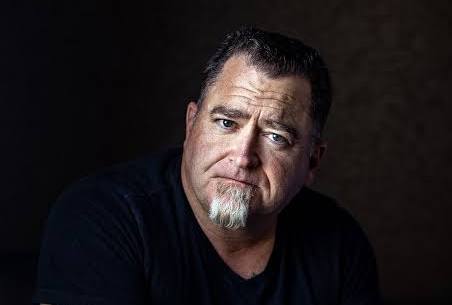
Luis Elizondo
Former DoD Intelligence Officer · AATIP Director · Whistleblower
Luis Elizondo spent more than two decades as a career intelligence officer for the U.S. Department of Defense, rising to lead the Advanced Aerospace Threat Identification Program — the secret Pentagon initiative studying UAPs from 2007 to 2012. In October 2017, he resigned in protest, writing to then-Secretary James Mattis accusing the department of failing to take the UAP threat seriously. He then facilitated the release of the Nimitz, Gimbal, and Go Fast gun-camera videos — the first official confirmation the U.S. military had captured footage of genuinely unexplained aerial objects.
Elizondo has testified before Congress and continued to advocate publicly for transparency, arguing that UAPs represent one of the most significant national security challenges of our time. He maintains that the U.S. government possesses far more data on the phenomenon than it has publicly acknowledged — and that the UAP office he led was deliberately underfunded to prevent its conclusions from reaching senior leadership.
Read full profile →
JC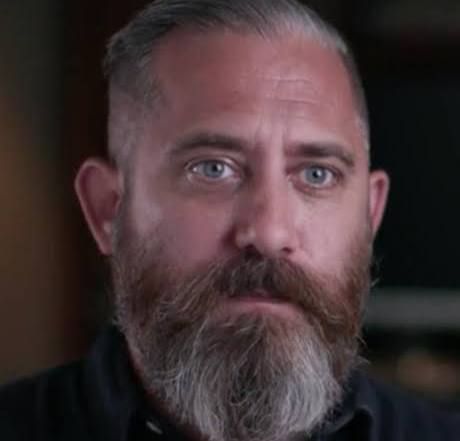
Jeremy Corbell
Investigative Filmmaker · Documentary Director · UAP Journalist
Jeremy Corbell is one of the most prolific investigative filmmakers working in the UAP space. A documentarian with rare access to military and intelligence sources, he built his reputation on films that bring audiences inside the phenomenon. In 2021, Corbell published leaked military footage of unidentified objects — including a spherical UAP descending into the ocean off San Diego — that the Pentagon subsequently confirmed as genuine.
His films include Bob Lazar: Area 51 & Flying Saucers (2018), Hunt for the Skinwalker (2018), and Patient Seventeen (2017). His reporting partnership with journalist George Knapp has produced a steady stream of military-sourced UAP material that has repeatedly forced the government's hand on disclosure.
Read full profile →
BL
Bob Lazar
Physicist · Area 51 Whistleblower · S-4 Claimant
Bob Lazar is among the most famous and controversial figures in UFO history. In a 1989 television interview with Las Vegas journalist George Knapp, Lazar claimed to have worked as a physicist at a classified facility called S-4 near Area 51, employed to reverse-engineer the propulsion system of a recovered extraterrestrial craft. His technical descriptions of an antimatter reactor running on Element 115 — then unknown to science — were detailed, consistent, and impossible to fabricate from publicly available knowledge at the time.
Element 115 — Moscovium — was synthesized in 2003 and officially named in 2016, fourteen years after Lazar's interview. Whether Bob Lazar glimpsed inside one of the most classified programs in American history — or constructed one of the most elaborate hoaxes of the 20th century — remains genuinely unresolved. His story has only gained ground as official disclosures have confirmed the U.S. military has long operated secret programs around UAPs.
Read full profile →
NP
Nick Pope
UK Ministry of Defence · UFO Desk Officer · Author
Nick Pope is one of the most credible voices on UAPs to emerge from inside a Western government. From 1991 to 1994, he ran the British Ministry of Defence's UFO desk, investigating sightings from military personnel, pilots, and the public. His tenure included the 1993 UK wave — hundreds of reports from across Britain in a single month — and ongoing classified case reviews involving military radar data. He entered the role as a convinced skeptic and left as something more complicated.
After leaving the UFO desk he continued at the MoD until 2006, then became a prolific author and consultant to governments and media organizations on UAP policy. He is known for his measured, evidence-based approach — neither dismissing the phenomenon nor overclaiming — and has consistently argued that intelligence agencies hold far more data on UAPs than has been officially disclosed.
Read full profile →
SF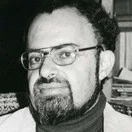
Stanton Friedman
Nuclear Physicist · Roswell Investigator · MJ-12 Researcher
Stanton Friedman was, for more than fifty years, the most scientifically credentialed researcher in mainstream UFO investigation. A nuclear physicist who worked on classified projects for major aerospace contractors, Friedman brought hard-science discipline to a field that had long suffered a credibility deficit. His most consequential work was his investigation of the 1947 Roswell incident, begun in 1978, which recovered firsthand testimony from military personnel who described handling wreckage unlike any known material. He also vigorously defended the authenticity of the Majestic 12 documents.
Friedman passed away in 2019, leaving behind a legacy that shaped generations of researchers. He conducted more than 700 university lectures across North America and authored essential books including Flying Saucers and Science and Crash at Corona. He was, above all, a scientist who believed the evidence deserved to be taken seriously on its own terms.
Read full profile →
RD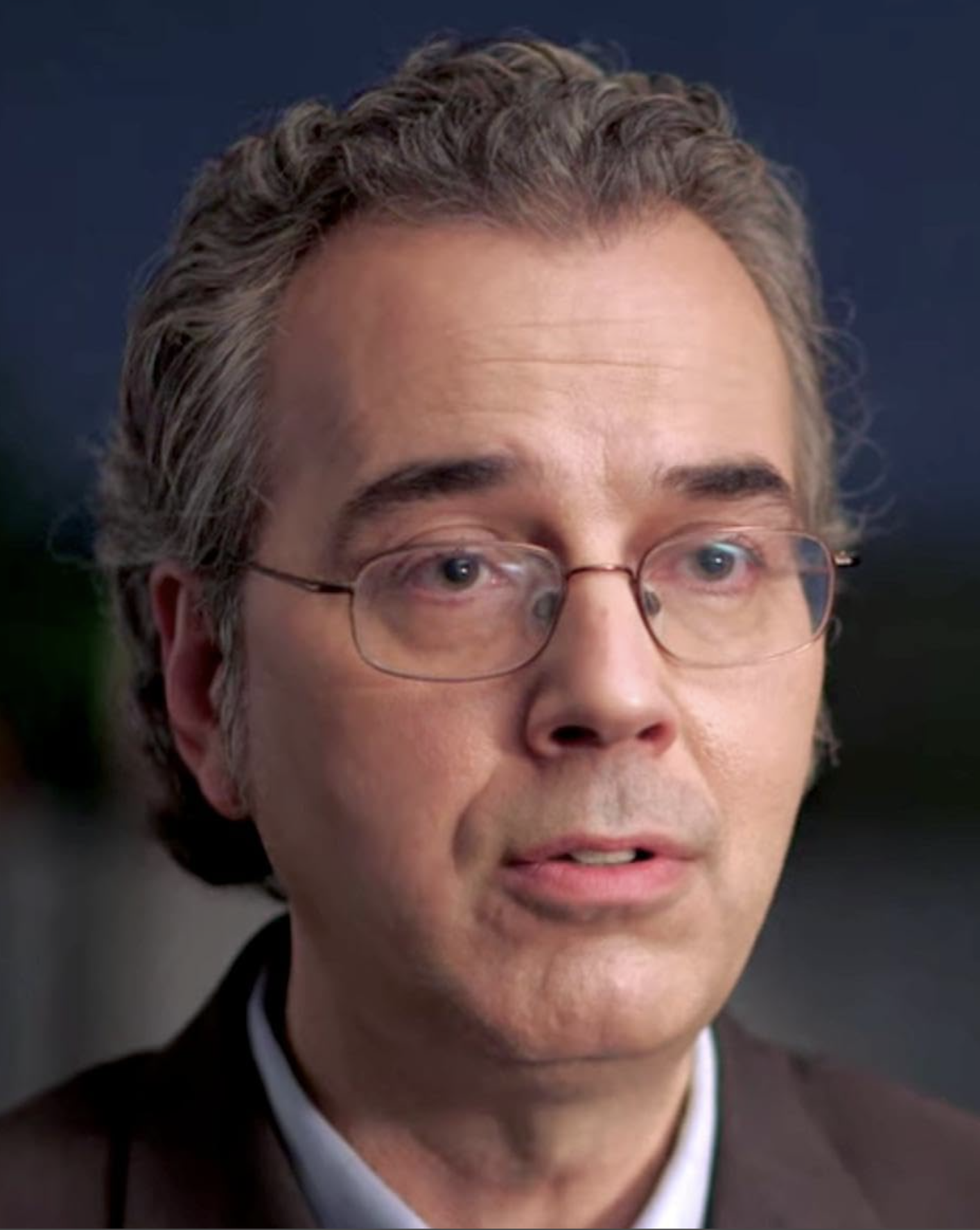
Richard Dolan
Historian · Author · National Security Researcher
Richard Dolan came to UFO research through Cold War history. Researching U.S. national security policy in the late 1990s, he noticed the extraordinary volume of classified government attention devoted to the UFO phenomenon — internal memos and intelligence cables painting a picture of an establishment that dismissed UFOs in public and took them extremely seriously in private. That research became his landmark two-volume work UFOs and the National Security State, widely considered the most rigorous historical account of the U.S. government's classified engagement with the phenomenon.
Dolan has since broadened his scope to the implications of what he calls a "breakaway civilization" — a segment of the national security apparatus that may have developed technology derived from UAP study far beyond what the public knows. He remains one of the most intellectually rigorous researchers in the field, respected for his sourcing standards and willingness to acknowledge the limits of the available evidence.
Read full profile →
CM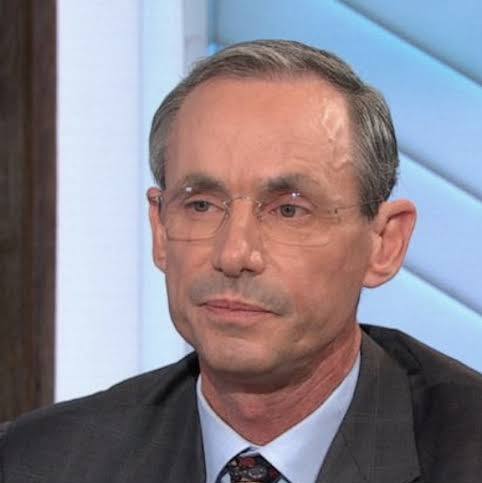
Christopher Mellon
Former Deputy Asst. Secretary of Defense for Intelligence · Senate Intelligence Staff
Christopher Mellon served as Deputy Assistant Secretary of Defense for Intelligence during the Clinton and George W. Bush administrations, and later as minority staff director for the Senate Intelligence Committee. A career national security professional, he concluded from insider knowledge that the UAP phenomenon was being handled with bureaucratic dysfunction and deliberate compartmentalization that prevented senior officials from knowing what the most classified programs had actually found. He was a central figure behind the 2017 release of the Navy gun-camera videos, obtaining the declassified footage and facilitating its release to journalist Leslie Kean.
Mellon's significance lies in what he represents: a member of the national security establishment who concluded, from the inside, that the system is failing. His calls for transparency carry the credibility of someone who spent decades inside the apparatus he is now criticizing — and who knows exactly what it is capable of concealing.
GK
George Knapp
Investigative Journalist · Las Vegas KLAS · Pulitzer Prize Nominee
George Knapp is the investigative journalist who put Bob Lazar on the map. A veteran Las Vegas TV journalist and Pulitzer Prize nominee, Knapp interviewed Lazar in 1989 and staked his professional reputation on the story when Lazar agreed to go on camera under his real name. He has since spent more than three decades reporting on UAPs with the standards of conventional investigative journalism — developing sources, verifying documents, and refusing to report what he cannot corroborate.
His reporting on Skinwalker Ranch brought the property to national attention. His partnership with filmmaker Jeremy Corbell has generated some of the most significant UAP-related disclosures of the last decade. Operating from within mainstream journalism while maintaining access to classified sources that few researchers have matched, Knapp is, by any measure, the most important investigative journalist in the history of UAP reporting.
Read Full Profile →
LH
Linda Moulton Howe
Emmy Award-Winning Journalist · Investigative Reporter · Author
Linda Moulton Howe arrived at the UFO phenomenon through cattle mutilation cases in the American West. An Emmy Award-winning television documentary producer, her 1980 documentary A Strange Harvest was the first serious broadcast investigation — examining precision surgical excisions of organs that could not be explained by predators. In 1983, while developing a follow-up, she was shown what she described as classified government documents at Kirtland Air Force Base describing recovered extraterrestrial craft and biological entities — an encounter that changed the direction of her career.
Her website, Earthfiles.com, has become a comprehensive archive of anomalous phenomena investigated with journalistic rigor. What is not disputed is her decades of serious investigation and the quality of the primary witnesses she has brought forward.
Read Full Profile →
PH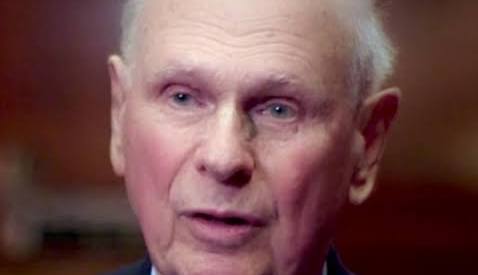
Paul Hellyer
Former Canadian Minister of National Defence · Deputy Prime Minister
Paul Hellyer served as Canada's Minister of National Defence under Prime Minister Lester Pearson in the 1960s. He is, by a significant margin, the most senior government official in any democratic nation to have publicly stated that extraterrestrial vehicles are real and that world governments have been concealing this knowledge for decades. He went public with his beliefs in 2005 and testified before the Citizens Hearing on Disclosure in Washington in 2013, claiming to have reviewed classified briefings confirming extraterrestrial contact.
Mainstream commentators have largely dismissed Hellyer's claims, noting his limited UAP portfolio access during his ministerial tenure. Hellyer maintained that post-government briefings from military and intelligence contacts convinced him beyond doubt. He passed away in 2021 — leaving behind a legacy as both a distinguished statesman and the most senior political official ever to go on record about extraterrestrial contact.
TG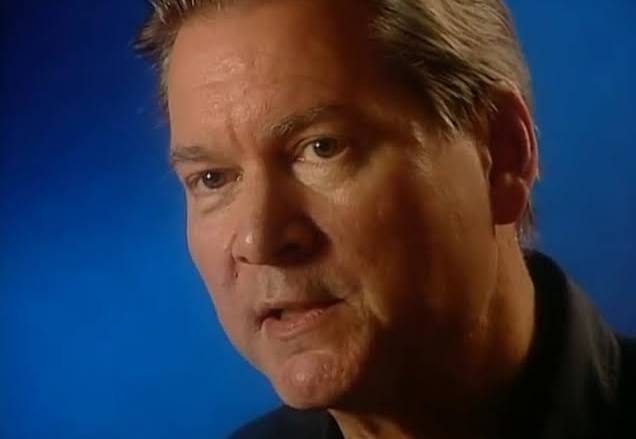
Timothy Good
British Author · Intelligence Researcher · Concert Violinist
Timothy Good is one of Britain's most respected UFO researchers, spending more than fifty years building relationships with military officers, intelligence analysts, and government officials on both sides of the Atlantic. His 1987 book Above Top Secret: The Worldwide UFO Cover-Up was the first comprehensive account of international government UFO secrecy — drawing on declassified documents and firsthand testimony from officials in multiple countries — and became an international bestseller.
Good has also written about claimed personal contact experiences, an aspect of his work that generates skepticism even among researchers who respect his historical contributions. Throughout, he has maintained that the evidence for extraterrestrial contact is overwhelming — and that the public is owed a full accounting of what governments have known and withheld for the better part of a century.
JF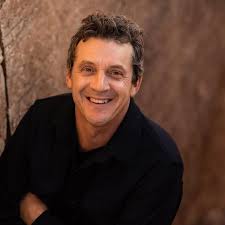
James Fox
Documentary Filmmaker · Director of The Phenomenon and Out of the Blue
James Fox is widely regarded as the finest documentary filmmaker working in the UAP field. His films are distinguished by their insistence on credible witnesses, primary documentation, and journalistic standards that hold up to scrutiny outside the UFO community — generals, pilots, and government officials on camera, under their real names. His 2003 documentary Out of the Blue was the gold standard for UAP documentaries for nearly two decades; his 2020 follow-up The Phenomenon updated the case with declassified documents and testimony from former Senate Majority Leader Harry Reid — the first UFO documentary taken seriously by mainstream critics.
His 2022 film Moment of Contact focused on the 1977 Colares, Brazil incident — a mass encounter investigated by the Brazilian Air Force that left physical marks on hundreds of witnesses. His work stands as the most important body of documentary evidence on the UAP phenomenon in existence.
HE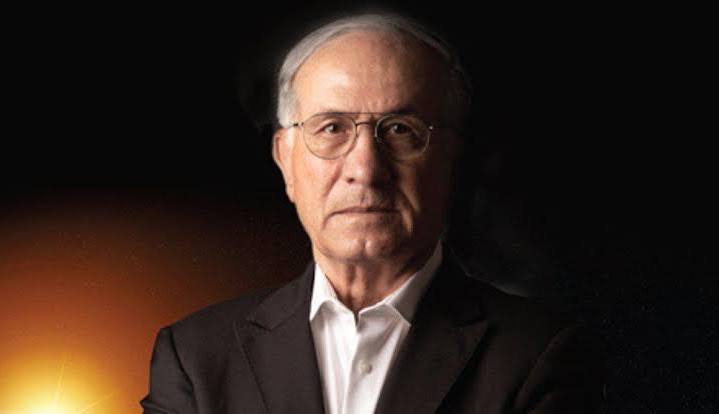
Prof. Haim Eshed
Former Head of Israel’s Space Security Programme · Brigadier General (Ret.)
Haim Eshed spent nearly thirty years as the head of Israel's military space programme and is a decorated Brigadier General and three-time recipient of the Israel Security Prize. In December 2020, he gave an interview to an Israeli newspaper claiming that the U.S. government had reached an agreement with an extraterrestrial civilization — that U.S. astronauts were cooperating with aliens in an underground Mars base, and that President Trump had been asked not to disclose this because humanity was not yet ready.
No corroborating evidence for Eshed's specific claims has emerged. But his background — decades of classified access, institutional credibility in Israeli defence circles — makes him difficult to categorize simply as a crank. He remains the most senior space-security official in any country to have made specific, named claims about extraterrestrial contact.
HP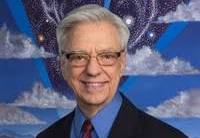
Dr. Hal Puthoff
Physicist · CIA Remote Viewing Researcher · AATIP Science Advisor
Harold Puthoff is a physicist with genuine institutional credentials — a doctorate from Stanford, publications in peer-reviewed journals, a fellowship in the American Physical Society — who has spent decades at the intersection of classified government research and the UAP phenomenon. He founded the remote viewing programme for the CIA at SRI International, and later served as a science advisor to AATIP, with his company EarthTech International serving as a key contractor for AATIP's scientific work.
Puthoff has publicly stated that material samples recovered from UAP encounters show anomalous properties not consistent with known human manufacture. His significance lies in the bridge he represents between rigorous physics — quantum vacuum fluctuations, zero-point energy, advanced propulsion theory — and the UAP phenomenon, arguing that frontier physics must be engaged rather than dismissed.
ED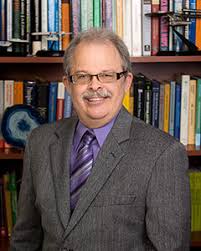
Dr. Eric Davis
Astrophysicist · Aerospace Engineer · Government UAP Consultant
Eric W. Davis is an astrophysicist and aerospace engineer who has spent much of his career on classified government research relating to UAPs, advanced propulsion, and "exotic materials." Working with EarthTech International alongside Hal Puthoff and serving as a consultant to DoD agencies, he made headlines in 2020 when the New York Times reported on a classified briefing he delivered to the Senate Armed Services Committee addressing the recovery of materials from UAPs not manufactured on Earth. Davis told the Times: "We couldn't make it ourselves."
Davis is among the small group of physicists willing to engage seriously with the theoretical framework required for UAP performance characteristics — traversable wormholes, warp drives, high-frequency gravitational wave generation — arguing that the observational data from military sensor systems requires theoretical frameworks that current physics cannot yet provide.
SG
Dr. Steven Greer
Founder of CSETI · The Disclosure Project · Emergency Physician (Ret.)
Steven Greer is the most prominent — and most divisive — figure in the UFO disclosure movement. A former emergency physician who founded the Center for the Study of Extraterrestrial Intelligence (CSETI) in 1990, Greer organized the landmark Disclosure Project press conference at the National Press Club in May 2001, presenting more than twenty military and government witnesses — many subsequently independently verified — before the largest gathering of journalists in the Club's history. His documentaries Unacknowledged (2017) and Close Encounters of the Fifth Kind (2020) brought this testimony to millions of viewers worldwide.
Greer is controversial for his broader claims — including protocols for initiating contact with extraterrestrial intelligences (CE5) and assertions about the intentions of visiting entities. Critics argue he draws conclusions far beyond what the evidence supports. Whatever one's view of his conclusions, his role in gathering and preserving firsthand military-insider testimony has been genuinely significant to the historical record.
Read full profile →
DG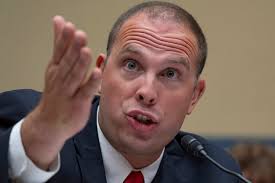
David Grusch
Former NGA & NRO Intelligence Officer · UAP Whistleblower
David Grusch is the intelligence community whistleblower whose July 2023 congressional testimony triggered the most significant official UAP investigation in decades. A decorated combat veteran and former intelligence officer, Grusch testified under oath that the U.S. government maintains a secret program to recover and reverse-engineer non-human craft — allegations the Intelligence Community Inspector General found “credible and urgent.”
Grusch followed official whistleblower channels before testifying before the House Oversight Committee alongside Navy pilot Ryan Graves and retired Commander David Fravor. Whether his specific claims are ultimately substantiated or not, the process he initiated has produced the most sustained and serious official investigation into UAP transparency in American history.
Read full profile →
PC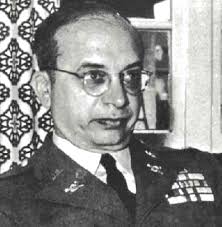
Col. Philip J. Corso (Ret.)
U.S. Army Intelligence · NSC Staff · Author of The Day After Roswell
Philip Corso had one of the most distinguished military careers of any figure in UFO history. A decorated U.S. Army officer who served on President Eisenhower's National Security Council staff and eventually became Chief of the Foreign Technology desk in Army Research and Development, his career was, by any measure, mainstream. His 1997 book The Day After Roswell was not: Corso claimed he was handed a filing cabinet containing material recovered from the 1947 Roswell crash — artifacts of non-human manufacture — and tasked with seeding this technology into the U.S. defense industry without revealing its origin.
Corso's specific claims are vigorously disputed by historians who trace those innovations to independent development. But his military record is verifiable, his access to classified materials is documented, and he went on record under his real name with specific, detailed claims shortly before his death in 1998. His book remains one of the most controversial and widely-read primary accounts in the Roswell literature.
ER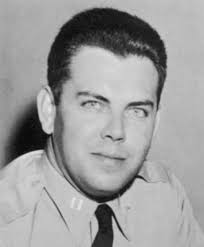
Capt. Edward Ruppelt (Ret.)
U.S. Air Force · Head of Project Blue Book · Author
Edward Ruppelt was the U.S. Air Force officer who headed Project Blue Book in the early 1950s and brought genuine scientific curiosity to an assignment typically used for institutional whitewashing. He coined the term "Unidentified Flying Object" as a deliberate attempt to desensationalize the phenomenon — and after evaluating hundreds of reports from military pilots, radar operators, and credible civilian witnesses, concluded that a significant percentage were genuinely unexplained, observations of objects whose flight characteristics exceeded any known human technology.
His 1956 book The Report on Unidentified Flying Objects is the most candid account of the Air Force's internal UFO investigations ever published by a serving or former official. Ruppelt died in 1960 at age 37; a revised edition added chapters walking back some of his more open-minded conclusions, leading many researchers to speculate about pressure from former colleagues.
PD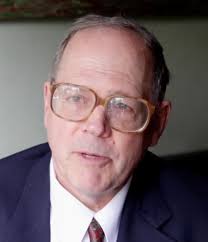
Peter Davenport
Director, National UFO Reporting Center (NUFORC)
Peter Davenport has spent more than three decades building and operating the National UFO Reporting Center — the largest database of civilian UFO sighting reports in the United States, containing more than 170,000 documented cases. Taking over NUFORC in 1994, he personally interviews significant witnesses, screens out hoaxes, flags cases with multiple independent witnesses or radar corroboration, and maintains the database as a resource for researchers, journalists, and government officials.
His significance to the field is archival rather than theoretical. Davenport makes no sweeping claims about the nature of the UAP phenomenon. What he offers is more valuable: a systematic, consistent record of what thousands of Americans, over many decades, have reported seeing — a dataset that allows researchers to identify patterns and build the evidentiary foundation that serious scientific inquiry requires.
EM
Edgar Mitchell
Apollo 14 Astronaut · NASA · IONS Founder
Edgar Mitchell became the sixth human being to walk on the Moon during the Apollo 14 mission in 1971. His journey home — a three-day return trip during which he experienced what he described as a profound mystical awakening — set the course of the rest of his life. Beginning in the 1990s, Mitchell gave repeated public interviews stating his firm belief that extraterrestrial vehicles had visited Earth and that the U.S. government had been actively concealing this — claiming to have been briefed by military intelligence officials who confirmed the existence of crashed craft and recovered non-human bodies.
Mitchell founded the Institute of Noetic Sciences (IONS) in 1973 to study consciousness and phenomena at the edge of conventional science. He spent the last twenty years of his life advocating for full government disclosure of UAP evidence until his death in February 2016 — just days before the 45th anniversary of his moonwalk.
Read full profile →
Browse our store →
HR
Harry Reid
U.S. Senate Majority Leader · AATIP Architect
No politician did more to move UAP research from the fringe to the halls of government than Harry Reid. The longtime Nevada senator and Senate Majority Leader quietly authorized the Advanced Aerospace Threat Identification Program (AATIP) in 2007 — a $22 million DIA program studying UAP reports from military personnel. Its existence remained classified until December 2017, when it was exposed by the New York Times in a story that changed the public conversation about UFOs forever.
Reid spent his final years as an open and forceful advocate for UAP transparency. "I'm not embarrassed or ashamed or sorry I got this thing going," he told reporters in 2021. He died in December 2021, but the congressional momentum he helped create continued — leading to the most significant UAP-related legislation in American history.
Read full profile →
Browse our store →
GM
Gary McKinnon
Hacker · Pentagon UFO File Seeker
Gary McKinnon spent two years between 2001 and 2002 hacking into ninety-seven U.S. government computer systems — NASA, the Pentagon, the Army, the Navy — his stated goal to find evidence of suppressed UFO technology. What he claims to have found has been debated ever since: a spreadsheet listing "non-terrestrial officers," fleet-to-fleet transfers for ships not in any public naval registry, and a manipulated NASA image of a large cigar-shaped craft deleted from the server as he watched.
The U.S. government called it the "biggest military computer hack of all time" and spent a decade seeking extradition, where McKinnon faced up to 70 years in prison. The British government ultimately blocked the extradition in 2012 on human rights grounds. McKinnon has never been tried, and the documents he described have never been publicly released.
Read full profile →
Browse our store →
SB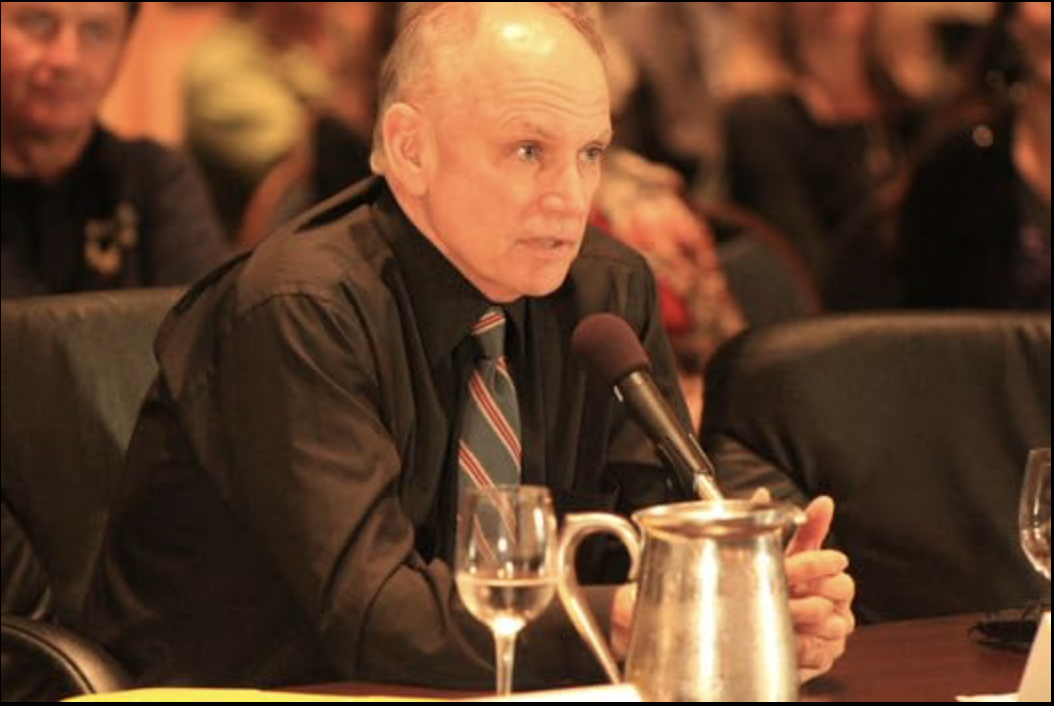
Stephen Bassett
Disclosure Activist · Paradigm Research Group
Stephen Bassett is the only registered UFO disclosure lobbyist in the United States. Since 1996 he has led the Paradigm Research Group, devoted to ending what he calls the "truth embargo" — the classified suppression of confirmed knowledge of an extraterrestrial presence. He organised the Citizens Hearing on Disclosure in 2013, a week-long event at the National Press Club in which forty researchers and witnesses testified before six former members of Congress.
Bassett has spoken at conferences in more than thirty countries and met with legislators and senior government officials across multiple administrations. His argument is constitutional as much as scientific: that the public has a right to information governments have withheld for more than seventy years. He remains the most visible political advocate for full UAP disclosure in the world.
Browse our store →
SS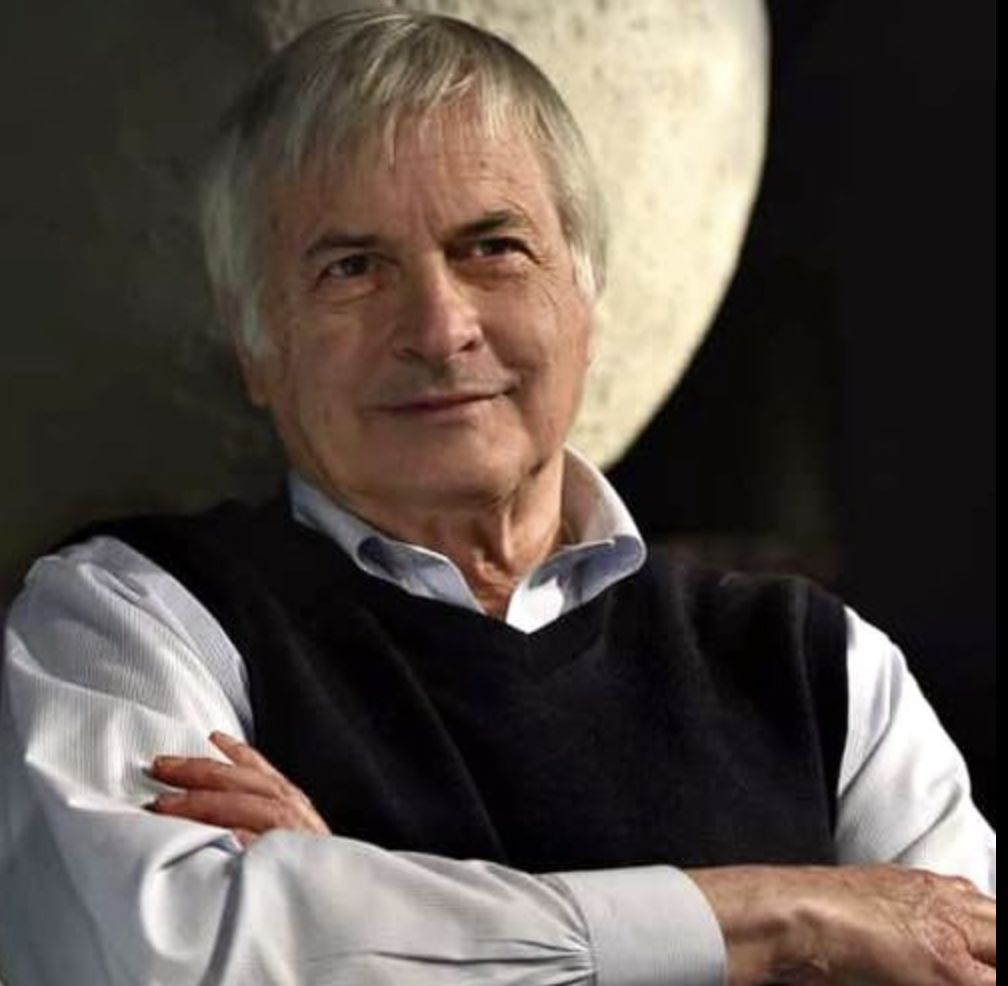
Seth Shostak
Senior Astronomer · SETI Institute
Seth Shostak has spent decades as the public voice of the Search for Extraterrestrial Intelligence. As Senior Astronomer at the SETI Institute in Mountain View, California, he is sceptical of UFO encounter claims, arguing that unambiguous detection will come through electromagnetic signals rather than craft sightings — yet believes the probability of intelligent life elsewhere in the universe is high and has predicted credible detection within a generation.
His public outreach — including the long-running Are We Alone? radio programme and numerous books and television appearances — has made him one of the most recognisable faces in the scientific debate over extraterrestrial intelligence.
Browse our store →
MS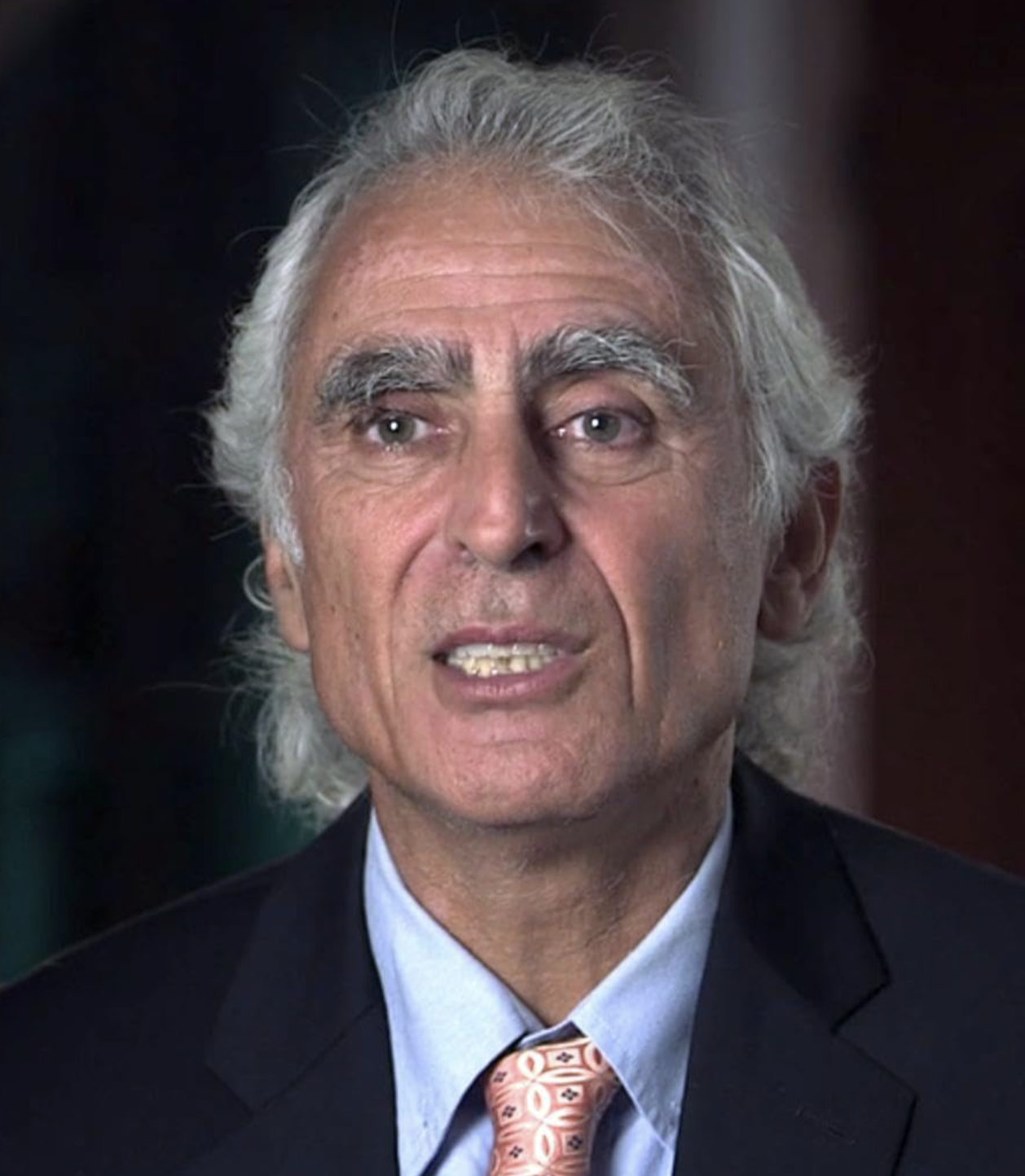
Dr. Michael Salla
Exopolitics Founder · Author & Researcher
Michael Salla is the founder of exopolitics — the study of the political implications of an extraterrestrial presence on Earth. A former professor of international relations at American University in Washington, he left academic life to pursue the subject full-time. Through Exopolitics.org and a series of books, Salla has argued that governments worldwide have maintained covert agreements with non-human intelligences since at least the 1950s, drawing on official documents, whistleblower testimonies, and comparative analysis of global defence policy.
His work is controversial within both mainstream academia and the UFO community, but he remains one of the most prolific and widely-read researchers writing at the intersection of political science and disclosure.
Read Full Profile →
BB
Bill Birnes
UFO Magazine Publisher · UFO Hunters Host
Bill Birnes built one of the most recognisable UFO media brands of the early 2000s. As publisher of UFO Magazine and co-host of the History Channel series UFO Hunters, he brought case investigations to a mainstream audience. A lawyer and author by training, Birnes co-wrote The Day After Roswell with Colonel Philip Corso — one of the most contentious and widely-read books in modern UFO literature, claiming reverse-engineered extraterrestrial technology accelerated numerous post-war advances.
That claim remains fiercely disputed and fiercely defended. Birnes has written or co-written more than twenty books and has been a consistent presence on the lecture circuit, arguing that documentary evidence of the Roswell recovery exists within classified government archives.
Browse our store →
JM3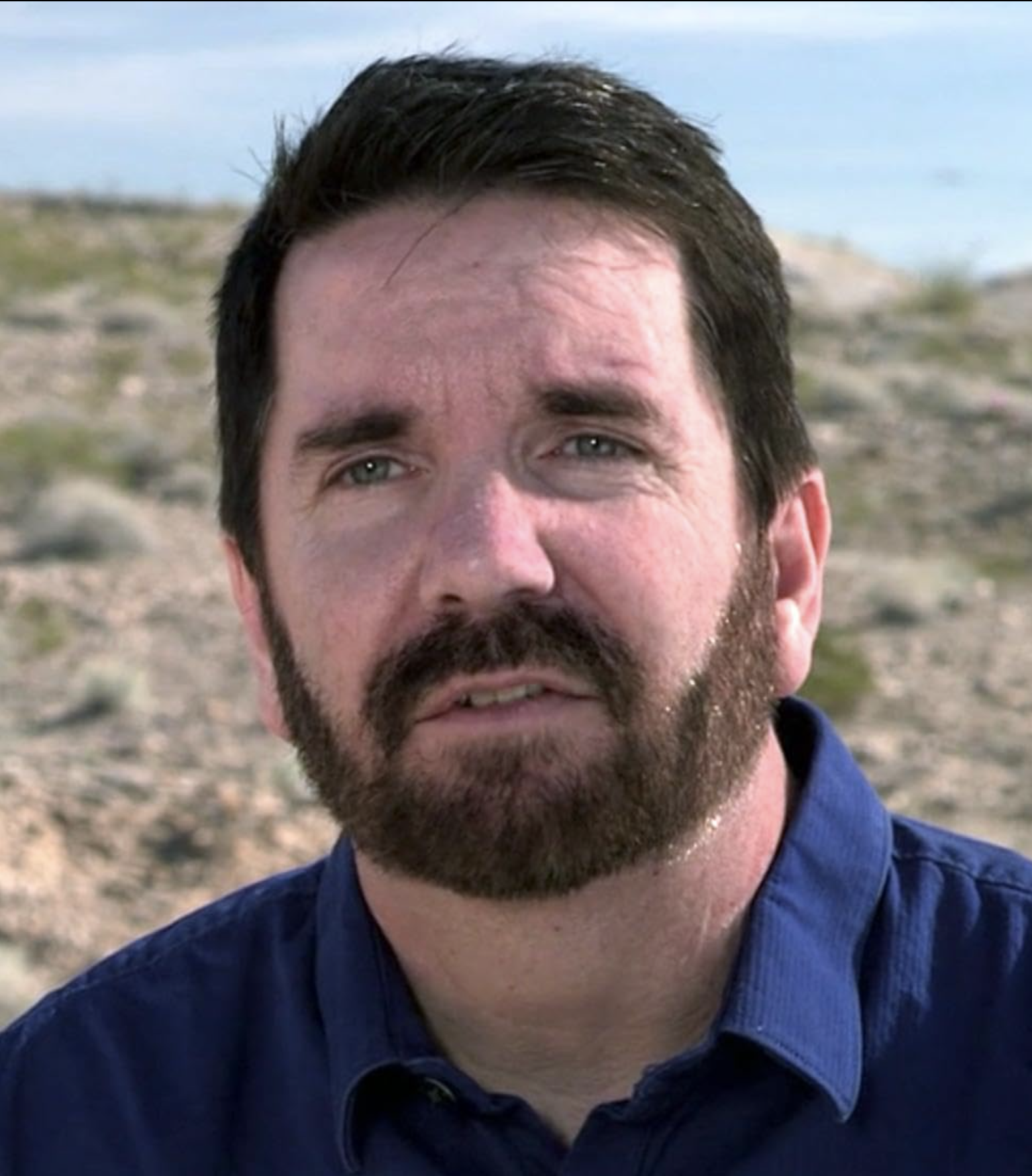
Jesse Marcel III
Roswell Legacy · Family Witness
Jesse Marcel III carries a name at the centre of modern UFO history. His grandfather, Major Jesse Marcel Sr., was the intelligence officer dispatched to the Foster Ranch debris field in July 1947 — among the first military personnel to handle what the Army Air Forces initially called a "flying disc" before retracting that description hours later. Marcel III has spent years documenting the family's account and testifying to congressional staff, investigative journalists, and public audiences.
His testimony is significant not because of what he personally witnessed but because of what he inherited — a firsthand family account that contradicts the official weather balloon explanation. He has consistently maintained that his grandfather believed the recovered material was not from any known aircraft.
Browse our store →
MK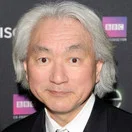
Michio Kaku
Theoretical Physicist · Futurist & Author
Michio Kaku is one of the world's most recognisable theoretical physicists, a co-founder of string field theory and a professor at the City University of New York. His books — among them Hyperspace, Physics of the Impossible, and The Future of the Mind — have sold millions of copies. He has increasingly engaged with UAP, telling interviewers that some sighting reports captured by military sensors cannot be explained by existing physics, while arguing that the stigma attached to the topic has retarded legitimate research.
Kaku has stopped short of endorsing extraterrestrial hypotheses, but his stature as a mainstream physicist lends weight to calls for scientific engagement with UAP. When Kaku says something cannot be immediately explained, the remark carries a different register than when it comes from the fringe.
Browse our store →
NR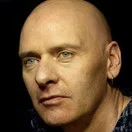
Nick Redfern
Author · Prolific UFO & Paranormal Researcher
Nick Redfern has written more than sixty books on UFOs, cryptozoology, conspiracy theory, and government secrecy. A British-born author based in the United States, he has spent decades filing Freedom of Information requests, interviewing witnesses, and synthesising declassified files from multiple governments. His best-known UFO work, Body Snatchers in the Desert, argued controversially that the Roswell crash involved experimental human aircraft — a revisionist position that drew fierce criticism from other researchers in the field.
He subsequently broadened his focus to government surveillance of UFO researchers, men-in-black encounters, and the intersection of intelligence operations with the UAP phenomenon. Redfern is valued for his archival diligence and willingness to follow evidence wherever it leads, even when the destination challenges prevailing theories within the research community itself.
Browse our store →
RS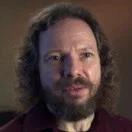
Dr. Robert Schoch
Geologist · Boston University · Ancient Civilisations
Robert Schoch is a professor of natural sciences at Boston University whose geological analysis of the Great Sphinx generated one of the most significant controversies in modern archaeology. In the early 1990s, Schoch argued from weathering patterns that the Sphinx's enclosure showed water erosion consistent with heavy rainfall — implying construction thousands of years earlier than mainstream chronology allows. The argument, developed with independent researcher John Anthony West, set off a prolonged dispute between geologists and Egyptologists.
Schoch has since extended his research to anomalous ancient sites worldwide and to the hypothesis that a catastrophic solar plasma event at the end of the last ice age reset human civilisation — a thesis laid out in his book Forgotten Civilisation. His academic credentials give his heterodox conclusions unusual weight and forced a generation of scholars to engage seriously with the question of how old advanced construction at Giza actually is.
Read full profile →
Browse our store →
CD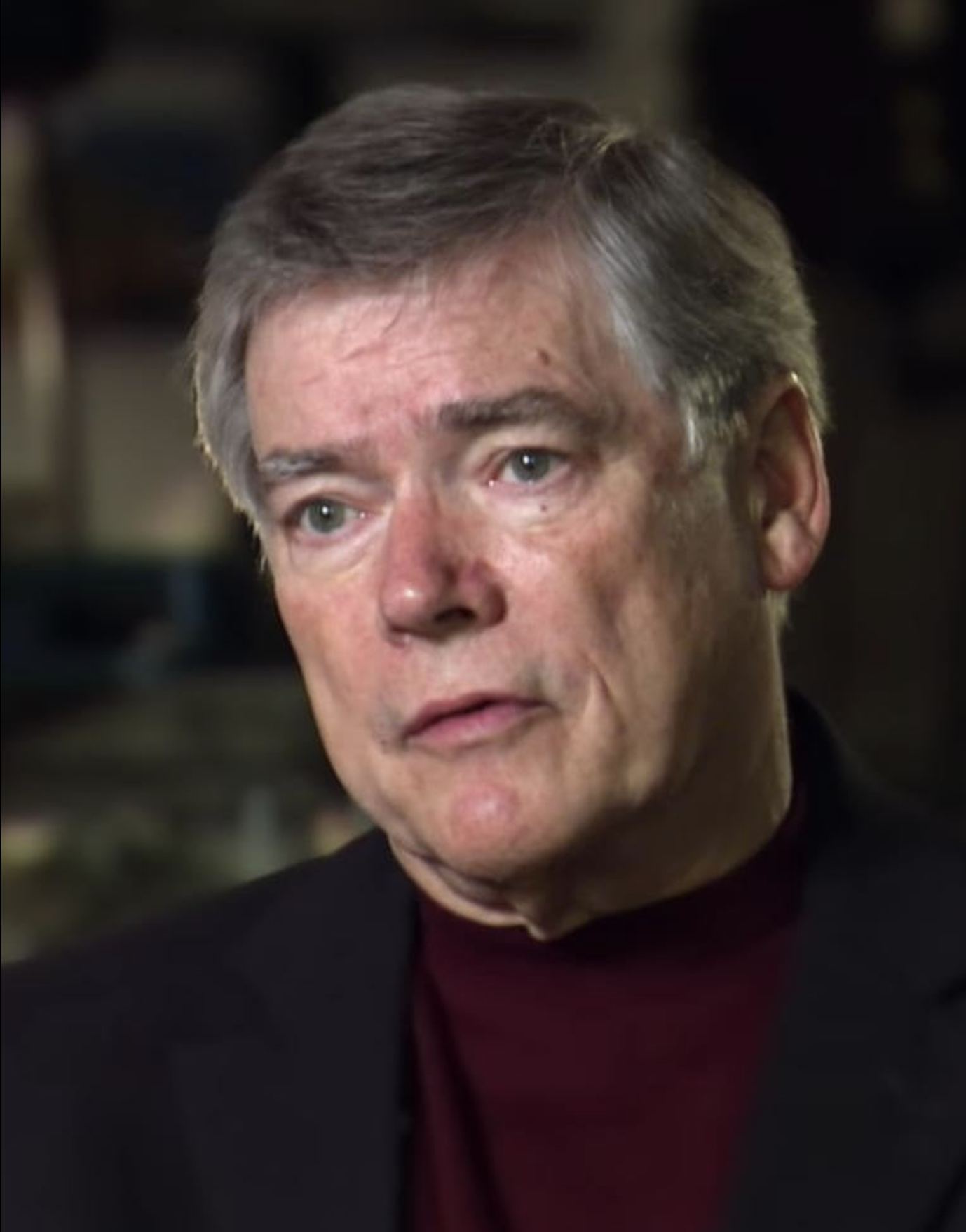
Christopher Dunn
Engineer · Giza Power Plant Theorist
Christopher Dunn spent his career as a manufacturing engineer and tooling expert at aerospace firms — a background that led him to apply precision engineering analysis to the monuments of ancient Egypt. His central argument, laid out in The Giza Power Plant, is that the Great Pyramid was not a tomb but a sophisticated energy device. While mainstream Egyptology dismisses the hypothesis, his engineering analysis of tool marks, drill holes, and dimensional tolerances — including tolerances measured in thousandths of an inch on granite — has been harder to dismiss outright.
Dunn argues that the precision of ancient cutting and boring points to technology beyond what bronze-age hand tools could achieve. His work has influenced an entire generation of alternative researchers who argue that the physical evidence at Giza demands an explanation that conventional archaeology has not provided.
Browse our store →
AC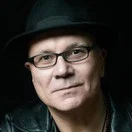
Andrew Collins
Author · Ancient Mysteries & Human Origins Researcher
Andrew Collins has spent four decades investigating the ancient world through astronomy, archaeology, and mythology. His books — among them Gods of Eden, The Cygnus Mystery, and Göbekli Tepe: Genesis of the Gods — argue that the origins of civilisation are older and stranger than academic consensus allows. His most celebrated contribution was his identification and partial survey of a cave system beneath the Giza plateau in 1997, a discovery subsequently confirmed by Egyptian authorities.
Collins's Cygnus hypothesis links the orientation of ancient sacred sites worldwide to the constellation Cygnus rather than Orion, challenging the work of Robert Bauval. His blend of rigorous sourcing and willingness to follow evidence into unconventional territory has made him one of the most respected independent researchers in the ancient mysteries field.
Browse our store →
HN
Hugh Newman
Earth Mysteries Researcher · Megalith Author
Hugh Newman is a researcher and author specialising in earth mysteries, megalithic sites, and the global patterns of ancient monument building. He founded the Megalithomania conferences and tours, bringing together researchers and archaeologists at sites ranging from Stonehenge and Avebury to Göbekli Tepe and the megalithic sites of South America. He has co-authored books on giants in ancient traditions and appeared in multiple documentary series on ancient civilisations.
Newman's contribution is as much curatorial as original: he has built a community around serious field investigation of anomalous ancient sites and helped make fringe research accessible to mainstream audiences through well-produced events and publications.
Browse our store →
EV
Erich von Däniken
Author · Ancient Astronaut Pioneer · Chariots of the Gods
Erich von Däniken is the Swiss author whose 1968 book Chariots of the Gods? ignited the ancient astronaut movement and became one of the most widely read alternative history works ever published, selling over 70 million copies in 32 languages. The book proposed that many ancient monuments, texts, and artefacts could only be explained by contact with extraterrestrial beings who were interpreted as gods by early civilisations. Critics dismissed it; millions of readers did not.
Von Däniken has since written more than 40 books and founded the Mystery Park theme centre in Interlaken, Switzerland. He was the inspiration for the History Channel’s Ancient Aliens series and remains the single individual most responsible for bringing the ancient astronaut hypothesis into popular culture.
Browse von Däniken’s books →
Read full profile →
GT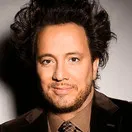
Giorgio Tsoukalos
Publisher · Ancient Aliens Host · Researcher
Giorgio Tsoukalos is a Swiss-born broadcaster, author, and publisher best known as the on-screen face of the History Channel’s Ancient Aliens series, which premiered in 2010 and became one of the most-watched documentary franchises in the network’s history. He is also the publisher of Legendary Times, a magazine dedicated to the ancient astronaut hypothesis, and a longtime protegé of Erich von Däniken.
Tsoukalos has approached his research with more rigour than his internet fame might suggest: he has visited hundreds of archaeological sites across six continents, engaged with professional archaeologists and historians, and consistently updated his positions in response to new evidence. His mission has been to push the ancient astronaut hypothesis from the margins of popular culture toward serious interdisciplinary scrutiny.
Browse our store →
Read full profile →
DC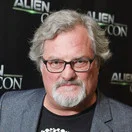
David Hatcher Childress
Author · Publisher · Alternative Archaeology
David Hatcher Childress is an American author and the founder of Adventures Unlimited Press, which has published hundreds of titles in alternative archaeology, lost civilisations, ancient technology, and fringe science. He has himself written more than 20 books covering topics from Vimana aircraft and anti-gravity technology to lost cities in the Pacific and the global evidence for a technically advanced pre-flood civilisation. He is one of the most prolific writers working in the ancient astronaut field.
Childress has appeared extensively in the Ancient Aliens television series and undertaken field expeditions to anomalous sites on every continent. His approach blends adventure travel with documentary research, and his books — whatever their academic standing — have introduced millions of readers to questions that orthodox history has difficulty answering cleanly.
Read Full Profile →
DW
David Wilcock
Author · Researcher · Consciousness & Disclosure
David Wilcock is an American author and researcher whose work attempts to synthesise consciousness studies, ancient civilisations research, and claims about secret government programmes and extraterrestrial contact. His books — including The Source Field Investigations, The Synchronicity Key, and The Ascension Mysteries — have reached the New York Times bestseller list and attracted large audiences drawn to the idea that humanity is approaching a fundamental shift in its understanding of reality.
Wilcock has been a prominent voice in the disclosure community, claiming sources inside classified programmes with knowledge of recovered non-human craft and hidden energy technologies. His track record of specific predictions is mixed, and his claims are disputed even within the UFO research community. He remains nonetheless one of the most-followed figures in the field, with a YouTube audience in the millions at his peak.
Browse our store →
Read full profile →
RB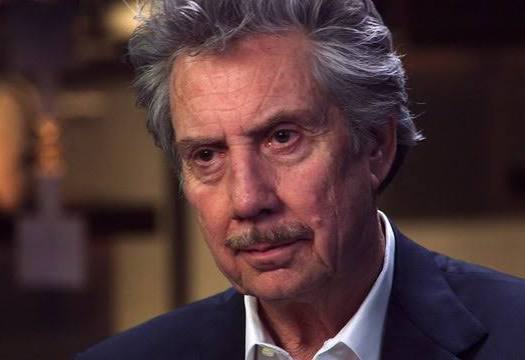
Robert Bigelow
Aerospace Entrepreneur · UFO Researcher · NIDS Founder
Robert Bigelow is a Las Vegas-based real estate billionaire and aerospace entrepreneur who has invested more money in private UFO research than almost any individual in history. In 1995 he founded the National Institute for Discovery Science (NIDS), a private organisation that conducted field investigations into UAP, cattle mutilations, and anomalous phenomena. He purchased Skinwalker Ranch in Utah — a property with a decades-long history of reported paranormal events — and funded a multi-year scientific investigation of it.
Through his company Bigelow Aerospace, he also held a contract with the Defence Intelligence Agency as part of the Advanced Aerospace Threat Identification Program (AATIP). In a 2017 CBS interview, he stated he was “absolutely convinced” that extraterrestrials have visited Earth and that the U.S. government possesses retrieved craft. Few private citizens have been closer to the intersection of government UAP programmes and independent research.
Browse our store →
Read full profile →
RG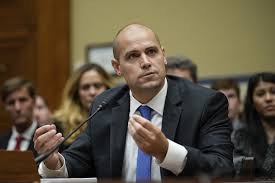
Ryan Graves
U.S. Navy Pilot (Ret.) · UAP Witness · Congress Testimony 2023
Ryan Graves is a former U.S. Navy F/A-18 Super Hornet pilot who has become one of the most credible and visible UAP witnesses in the modern disclosure era. Beginning in 2014, Graves and pilots in his squadron encountered objects off the U.S. Atlantic coast that exhibited flight characteristics beyond known aerospace capability — no visible propulsion, no wings, sustained speeds and manoeuvres that defied conventional physics. The encounters were frequent enough to be considered a daily occurrence.
Graves reported the incidents through official military channels but found the response inadequate. He eventually went public, and in July 2023 testified before the House Oversight Committee alongside David Grusch and David Fravor — the most consequential congressional UAP hearing in decades. He subsequently founded Americans for Safe Aerospace to advocate for pilots reporting UAP encounters without career penalty.
Browse our store →
Read full profile →
GN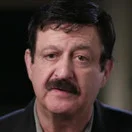
George Noory
Coast to Coast AM Host · Broadcaster
George Noory is the host of Coast to Coast AM, the late-night radio programme originally created by Art Bell that has become the largest platform in North America for discussion of UAP, paranormal phenomena, fringe science, and government secrecy. Since taking over the programme in 2003, Noory has interviewed virtually every significant figure in UFO research — from military whistleblowers and government insiders to abduction experiencers and alternative archaeologists.
With a nightly audience of millions across hundreds of stations, Noory’s platform has shaped how the general public engages with UFO topics more than almost any single broadcaster. He approaches his subjects with consistent openness and has maintained the programme’s editorial independence for over two decades.
Browse our store →
PC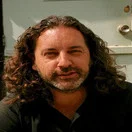
Philip Coppens
Author · Journalist · Ancient Mysteries Researcher
Philip Coppens was a Belgian investigative journalist, author, and broadcaster who brought forensic rigour to the study of ancient mysteries and alternative history. He wrote extensively on anomalous archaeological sites, the Priory of Sion, Cathar traditions, and the evidence for extraterrestrial contact in ancient cultures, appearing regularly on the History Channel’s Ancient Aliens series. His journalism background gave his investigations a methodological precision rare in the field.
Coppens died in December 2012 at the age of 41, leaving behind a substantial body of work that continued to circulate widely after his death. He had spent his career arguing that the mainstream archaeological and historical establishment systematically underestimated the sophistication of ancient peoples — and that the anomalies it could not explain deserved rigorous investigation rather than dismissal.
Read full profile →
Browse our store →
RC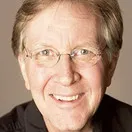
Robert Clotworthy
Voice Actor · Ancient Aliens Narrator
Robert Clotworthy is an American voice actor best known as the narrator of the History Channel’s Ancient Aliens documentary series, a role he has held since the programme’s debut in 2010. His distinctive voice has become inseparable from the programme’s identity, lending authority and atmosphere to some of the most-watched episodes in the franchise’s sixteen-season run.
While Clotworthy is not an academic researcher, his contribution to the ancient astronaut conversation is real: the narrator of a documentary shapes how an audience receives its claims, and Clotworthy has made the field’s most provocative ideas accessible to tens of millions of viewers across more than two hundred episodes.
Browse our store →
WH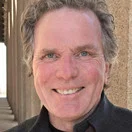
William Henry
Investigative Mythologist · Author · Researcher
William Henry is an American investigative mythologist and author who has spent three decades examining ancient religious art, sacred architecture, and esoteric traditions for encoded evidence of contact with advanced non-human intelligences. His research focuses particularly on what he calls “light body” traditions — the idea that ancient cultures across Egypt, Sumeria, and early Christianity possessed knowledge of human transformation that has been suppressed or misunderstood by mainstream scholarship.
Henry has appeared extensively in the Ancient Aliens series and authored more than fifteen books. His approach is rooted in the humanities rather than the sciences, interpreting iconography, mythology, and sacred texts as primary evidence for claims that conventional history cannot account for. He bases his work in Nashville, Tennessee, and has built a substantial following among readers interested in the intersection of spirituality and alternative history.
Browse our store →
JY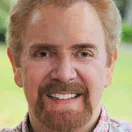
Jonathan Young
Mythologist · Joseph Campbell Archives Founder · Psychologist
Jonathan Young is an American psychologist and mythologist who served as the founding curator of the Joseph Campbell Archives and has applied Campbell’s frameworks to the study of extraordinary human experiences, including UFO encounters and contact phenomena. He trained under Campbell directly and has spent decades exploring how mythological structures appear in contemporary accounts of non-human contact — arguing that these experiences belong to the same transformative tradition as the hero’s journey.
Young has appeared in the Ancient Aliens series and lectured widely on the psychology of myth, sacred story, and the human encounter with the unknown. His contribution to the field is conceptual: he offers a framework in which UFO experiences are neither dismissed as delusion nor taken literally as interplanetary tourism, but read as meaningful encounters with dimensions of reality that myth has always tried to describe.
Browse our store →
AB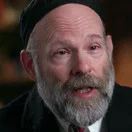
Ariel Bar Tzadok
Rabbi · Kabbalist · Torah & UFO Scholar
Ariel Bar Tzadok is an Orthodox rabbi and scholar of Kabbalah and Jewish mysticism who has written extensively on the intersection of ancient Hebrew texts, esoteric tradition, and the question of non-human intelligence. He argues that the Torah, Talmud, and Kabbalistic literature contain detailed references to beings described in modern accounts of UAP encounters, and that ancient Jewish sages understood these entities within a sophisticated metaphysical framework that modern ufology has yet to fully engage with.
Bar Tzadok founded KosherTorah School in 1997 and has published numerous works on practical Kabbalah. His approach to the UFO question is theologically grounded: he neither rejects the phenomenon nor sensationalises it, but interprets it through the lens of a living mystical tradition that, he argues, has been addressing these questions for millennia.
Browse our store →
Alternative History & Lost Civilizations
GH
Graham Hancock
Author · Alternative History · Lost Civilizations
British author known for proposing that an advanced civilization may have existed before the end of the last Ice Age. Hancock's work has influenced public debate about lost civilizations, ancient monuments and humanity's forgotten past, while remaining disputed by mainstream archaeologists.
Read full profile →
Browse our store →