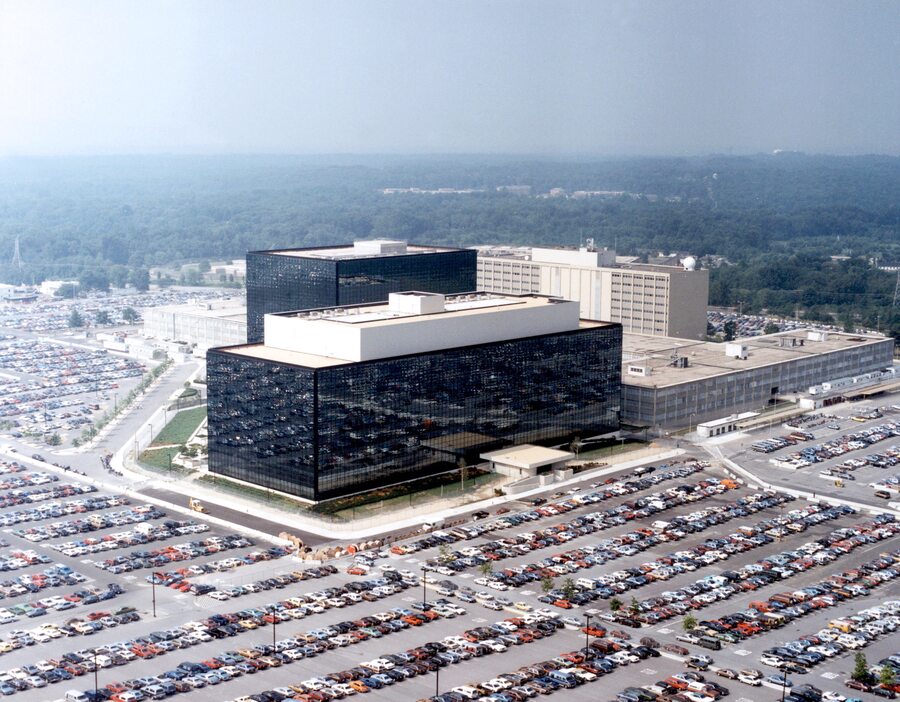
The National Security Agency occupies a specific and carefully defined position in the ecosystem of American intelligence. Its formal mandate is signals intelligence — the collection, processing, and analysis of foreign communications — and cybersecurity. It is not, and has never claimed to be, an agency with a primary role in investigating Unidentified Aerial Phenomena. But the NSA's relationship with the UAP subject, as revealed through decades of Freedom of Information Act litigation and the slow erosion of classification barriers, is more substantive than institutional distance would suggest.
The most significant documented intersection between the NSA and the UAP question involves a series of signals intelligence reports that were declassified, partially, following FOIA litigation by civilian researchers in the 1980s. Those documents — released in heavily redacted form — describe the collection of communications and telemetry data associated with unexplained aerial events. The NSA acknowledged, in court filings, that the full versions of these documents remained classified because their disclosure would reveal intelligence collection methods. The agency did not dispute that the documents existed or that their subject matter was what requesters alleged.
A separate category of NSA involvement concerns its role as a communications security authority. Military personnel who encounter UAPs are required to report those encounters through specific channels. The NSA, as the agency responsible for the security of those communications channels, is in a structural position to be aware of the volume and nature of UAP reports generated by military and intelligence personnel — a volume that, by the accounts of those who have been cleared to see the aggregate data, substantially exceeds what has been publicly disclosed.
Former intelligence officials who have spoken about the UAP subject — including Luis Elizondo, David Grusch, and Christopher Mellon — have consistently noted that the most sensitive UAP-related programmes operate in what is known as special access programme compartments: security frameworks so restricted that even officials with the highest general clearances may be denied access. The NSA, whose signals intelligence capabilities make it a natural repository for data generated by UAP encounters, is believed by researchers to be among the agencies whose relevant holdings have not been produced in any of the unclassified reports delivered to Congress since 2021.
What the public record makes clear is that the NSA has been aware of, has collected data related to, and has made deliberate decisions about the classification of information touching on UAPs for at least five decades. The agency that knows more about what has been said and transmitted — in the air, on the ground, and in government communications — than any other institution in the United States has chosen, so far, to say very little.