
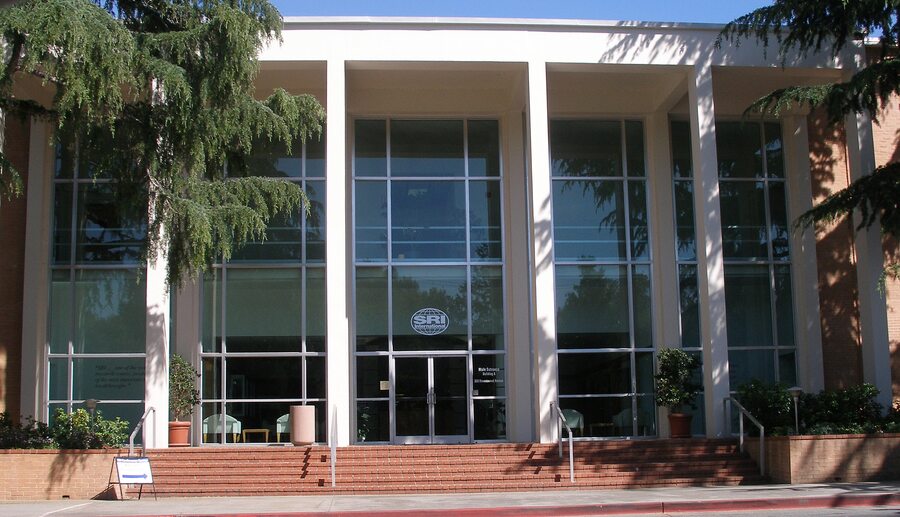
The Stargate Project was a secret U.S. Army unit established in 1978 at Fort Meade, Maryland, by the Defense Intelligence Agency (DIA) and SRI International (a California contractor) to investigate the potential for psychic phenomena in military and domestic intelligence applications. This project, and its various sub-projects, were part of a series of programs initiated by the U.S. government to explore claimed psychic phenomena, often categorized under the term 'remote viewing' – a practice of seeking impressions about a distant or unseen target using extrasensory perception (ESP) or "sensing with the mind."
Key Elements of the Stargate Project
Remote Viewing: The primary focus of the Stargate Project was on remote viewing, which is the supposed ability to see events, sites, or information from a great distance. The practice was tested for its potential military applications, such as spying on foreign adversaries.
Involvement of Notable Individuals: The project involved several notable individuals, including Ingo Swann, a claimed psychic who is credited with coining the term 'remote viewing'; Harold E. Puthoff, a physicist; and Russell Targ, an engineer and parapsychologist.
Scientific Scrutiny and Criticism: The methodology and findings of the Stargate Project were subjected to significant scientific scrutiny and criticism. Critics pointed out a lack of proper controls and repeatability in the experiments, which are key components of the scientific method.
Findings and Conclusion
The Stargate Project ran for over two decades, during which it went through various phases and had several offshoots, including projects Grill Flame, Center Lane, and Sun Streak. The project was declassified in 1995 and a review of the program was conducted:
CIA Involvement and Evaluation: In its later stages, the CIA became involved and commissioned an evaluation of the program's results. The American Institutes for Research conducted this evaluation, which concluded that remote viewing had not been proven to work by scientific standards and was not useful for intelligence operations.
Release of Documents: Upon declassification, thousands of documents related to the Stargate Project were released to the public, providing a detailed look into the operations and studies conducted under this program.
Concluding Thoughts
The Stargate Project, despite its ambitious goals and intriguing premise, remains a subject of debate and skepticism within both scientific and intelligence communities. Its legacy continues to fuel discussions about the boundaries of science and the extents to which governments will go to gain intelligence advantages. The project also highlights the challenges of scientifically studying phenomena that are not easily measurable or reproducible.
Further Reading and References
Declassified Documents: The CIA's Reading Room and other government archives offer access to declassified documents related to the Stargate Project, providing firsthand insight into its operations. Books and Articles:
"The Reality of ESP: A Physicist's Proof of Psychic Abilities" by Russell Targ - As one of the principal researchers in the Stargate Project, Targ provides an insider's perspective on the experiments and findings related to psychic phenomena and remote viewing.
"Phenomena: The Secret History of the U.S. Government's Investigations into Extrasensory Perception and Psychokinesis" by Annie Jacobsen - This book offers a comprehensive history of the U.S. government's exploration into psychic phenomena, including the Stargate Project.
"Psychic Warriors: Inside the CIA's Stargate Program: The True Story of a Soldier's Espionage and Awakening" by David Morehouse - Morehouse, a former participant in the Stargate Project, provides a personal account of his experiences within the program and his views on its effectiveness and ethical considerations.
"Mind-Reach: Scientists Look at Psychic Abilities" by Russell Targ and Harold Puthoff - Co-authored by the key researchers of the Stargate Project, this book discusses the scientific investigations into psychic phenomena and the challenges faced in conducting such unconventional research.
"Remote Viewers: The Secret History of America's Psychic Spies" by Jim Schnabel - Schnabel's book is an extensive account of the remote viewing program, offering detailed descriptions of the operations, personalities involved, and the governmental context of the Stargate Project.
"Reading the Enemy's Mind: Inside Star Gate — America's Psychic Espionage Program" by Paul H. Smith - Written by a former military intelligence officer involved in the Stargate Project, this book provides an inside look at the psychic espionage program and its implications.
These books provide a mix of personal narratives, historical accounts, and scientific perspectives on the Stargate Project and the exploration of psychic phenomena. They offer valuable insights for those interested in understanding this unique and controversial aspect of military and intelligence history.
A highly regarded documentary that delves into the Stargate Project and the U.S. government's exploration of psychic phenomena and remote viewing is:
"Third Eye Spies"
Overview of "Third Eye Spies"
Release Year: 2019
Director: Lance Mungia
Key Contributors: Russell Targ, a primary researcher in the Stargate Project, and several other former participants and experts.
Synopsis
"Third Eye Spies" provides an in-depth and comprehensive look at the Stargate Project and the U.S. government's experiments with psychic espionage and remote viewing. The documentary features firsthand accounts and interviews with key individuals involved in the project, including scientists, military officials, and psychic viewers.
Key Aspects
Historical Context: The film sets the stage by exploring the Cold War era, during which the project was initiated, highlighting the race between the U.S. and the Soviet Union to harness psychic abilities for espionage.
Scientific and Psychic Perspectives: The documentary balances interviews with scientists and psychic operatives, offering diverse viewpoints on the reality and effectiveness of psychic spying.
Declassified Information: The film delves into the declassified documents related to the Stargate Project, offering viewers a glimpse into the once top-secret program.
Personal Stories: The documentary is enriched with personal anecdotes and stories from those directly involved, providing a human aspect to the scientific and military narrative.
Reception
"Third Eye Spies" has been well-received for its thorough research, compelling storytelling, and balanced approach to a controversial and often misunderstood topic. It's particularly praised for providing an accessible entry point for those new to the subject while offering depth and new insights for those already familiar with the field of psychic espionage.
Why Watch It?
This documentary is an excellent choice for anyone interested in the Stargate Project, psychic phenomena, and the intersection of science and espionage. It offers a captivating exploration of one of the most intriguing and secret chapters in U.S. intelligence history.
My Interpretation
While the Stargate Project represents a fascinating chapter in the history of government intelligence and research into psychic phenomena, the lack of conclusive evidence supporting the effectiveness of remote viewing makes it a controversial topic. The project's legacy lies more in its reflection of the Cold War era's mindset and the government's willingness to explore unconventional intelligence methods than in any demonstrable success in psychic espionage.
Watch
The Stargate Project — CIA Remote Viewing Documentary
Recommended Reading
Mind Trek: Exploring Consciousness, Time, and Space Through Remote Viewing — Joseph McMoneagle →
Written by the U.S. Army's most decorated remote viewer, who participated in the Stargate program from its inception.