
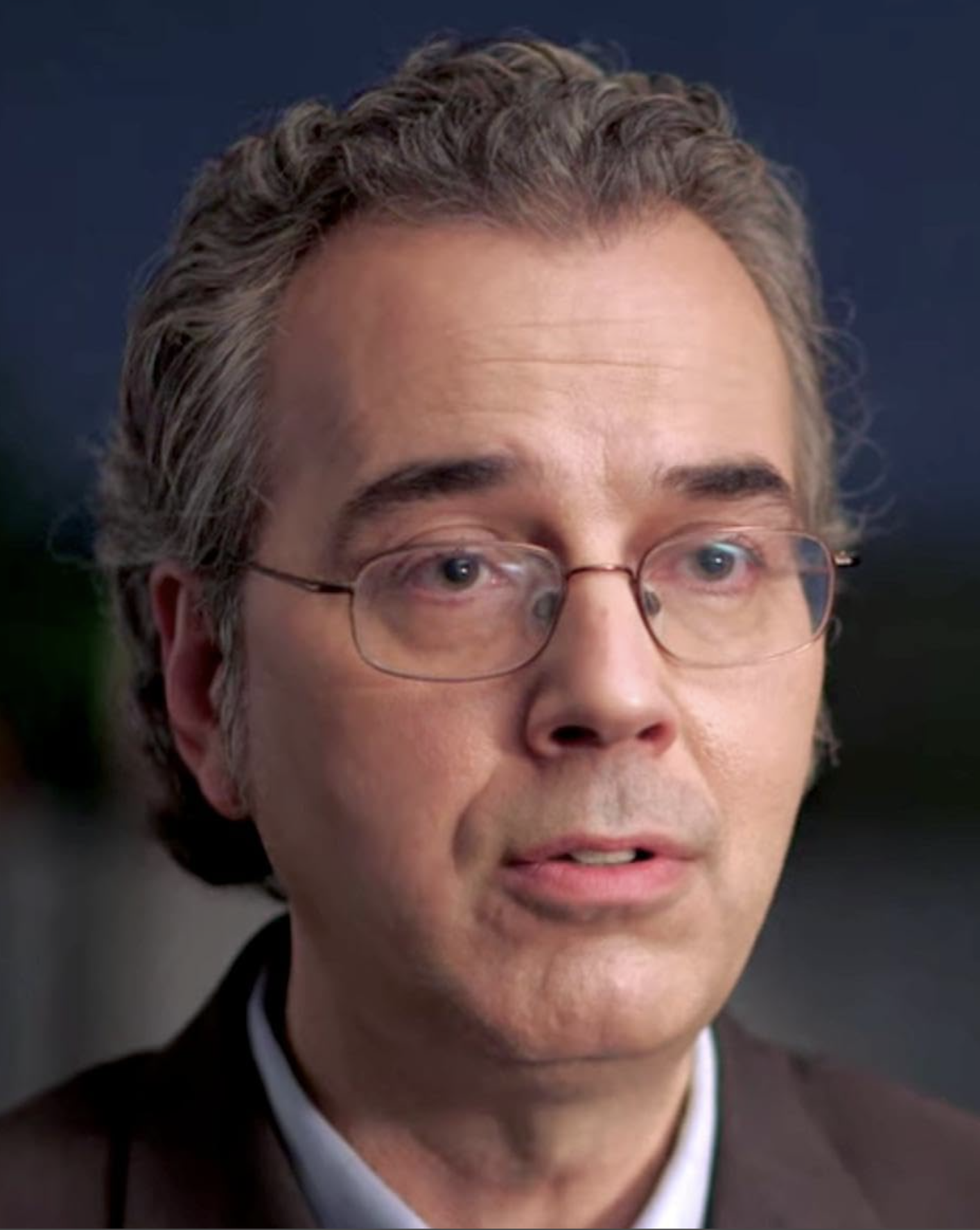
Richard Dolan is a historian, and it is as a historian — not as a UFO enthusiast or disclosure advocate — that his work should first be understood. Trained at Alfred University and the University of Rochester, and having studied at Oxford, Dolan was in the late 1990s researching U.S. national security policy in the Cold War era when he noticed something that most historians had overlooked: the classified record showed an extraordinary and sustained level of governmental attention devoted to the UFO phenomenon throughout the 1940s, 1950s, and 1960s.
The documents were in the public record — declassified through the Freedom of Information Act, accessible in national archives. Internal CIA memos. FBI cables. Air Force intelligence assessments. Inter-agency communications. What they showed was an establishment that publicly dismissed the UFO phenomenon as misidentification and delusion, while privately treating it as a genuine and unresolved national security concern requiring the highest levels of institutional attention. Dolan built his first book around this documented gap between public posture and classified reality.
UFOs and the National Security State: Chronology of a Cover-Up, 1941–1973 (2002) became one of the most important books in the history of UFO research — not because of its sensationalism but because of its rigor. Drawing almost exclusively on declassified government documents, Dolan constructed a chronological account of the U.S. national security apparatus's engagement with the UAP phenomenon from the beginning of the modern UFO era through the closure of Project Blue Book. A second volume, covering 1973 to the present, followed in 2009. Together they constitute the most thoroughly documented historical account of government UAP engagement ever compiled.
Dolan's methodological contribution was to treat the UAP phenomenon as a legitimate subject of historical inquiry, applying the same documentary standards and analytical frameworks used in mainstream academic history to a field that had long been characterized by speculation and advocacy. His sourcing standards are scrupulous; he distinguishes consistently between what the documents show and what might be inferred from them; and he acknowledges — more readily than most researchers in the field — when the evidence is ambiguous or the conclusions are uncertain.
Beyond the historical record, Dolan has in recent years engaged with what he calls the "breakaway civilization" hypothesis: the idea that a segment of the national security apparatus has, over decades, developed technology derived from UAP study that now operates far beyond the oversight of normal governmental structures. He acknowledges this as a hypothesis rather than a documented conclusion, and his willingness to distinguish between the two has earned him a reputation for intellectual honesty that is not universal in the field.
Dolan remains one of the most productive researchers in active UAP study, maintaining a media presence through books, lectures, and an online channel that covers both new disclosure developments and historical analysis. His work has done as much as any single researcher's to establish that the government's engagement with UAPs is a legitimate and documented subject of historical inquiry — not a fringe speculation but a matter of declassified public record.
Watch
Richard Dolan on UFOs and the National Security State