
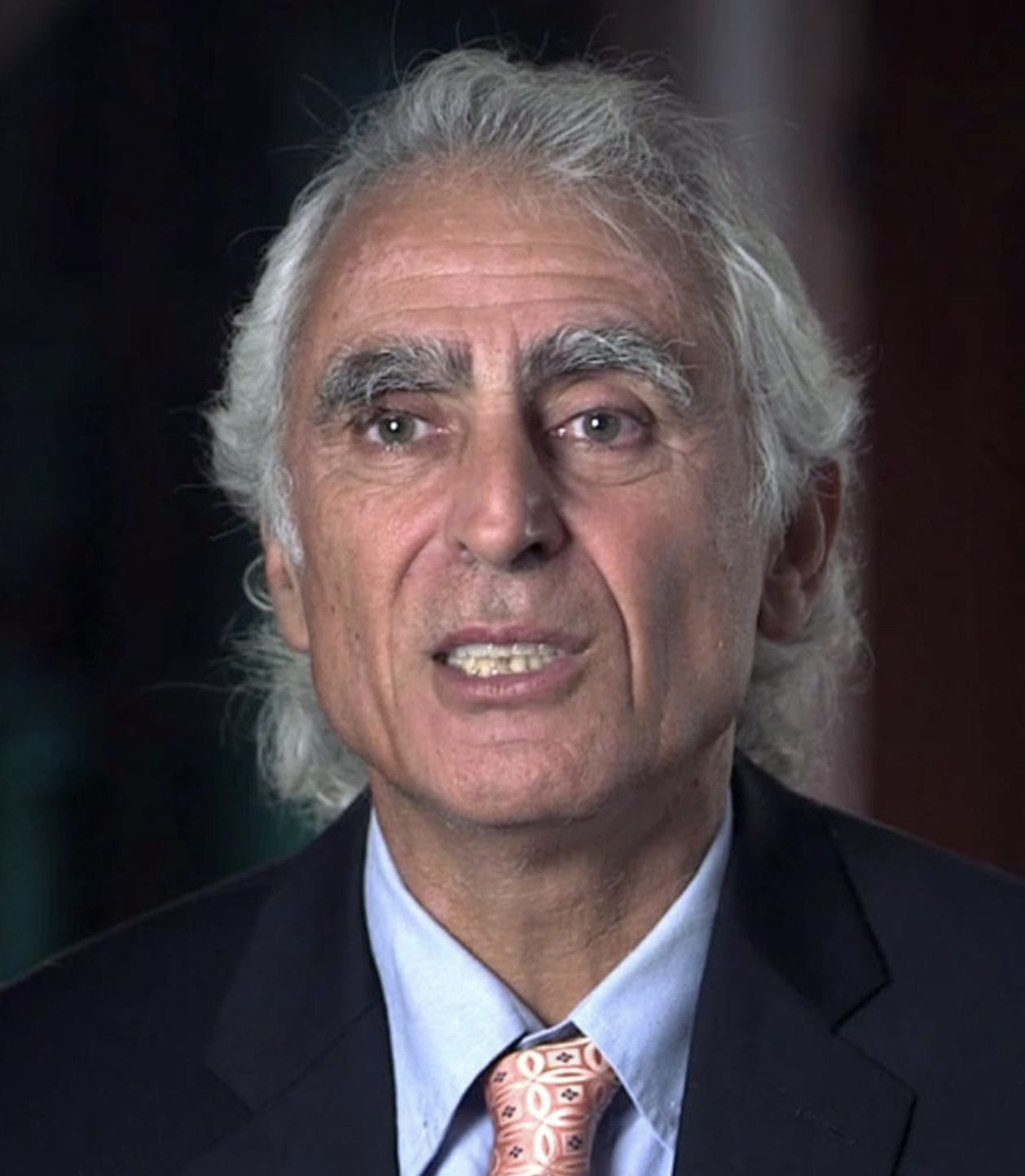
The word "exopolitics" did not exist in any formal sense before Dr. Michael Salla coined it. A political scientist with a Ph.D. from the Australian National University and a former faculty member at American University in Washington D.C., Salla came to the UFO subject through an unusual route — not through sightings or personal encounters, but through a sustained academic inquiry into what the existence of non-human intelligence would mean for international relations, government accountability, and the structure of human political life. His 2004 book Exopolitics: Political Implications of the Extraterrestrial Presence established the framework that has since become a genuine field of study, with researchers, conferences, and publications operating under its banner around the world.
Salla's academic background gave him tools that most UFO researchers lacked: a rigorous understanding of how government institutions operate, how information is classified and compartmentalized, and how political power shapes the flow of knowledge to the public. He applied those tools to the question of why, if extraterrestrial contact has occurred, governments would suppress the information — and what the political architecture of that suppression might look like. His analysis drew on declassified documents, whistleblower testimony, and comparative political theory, producing work that, whatever one's view of its conclusions, was methodologically more disciplined than most of what the field had previously offered.
His subsequent research expanded far beyond the original exopolitics framework. Salla has written extensively on what he describes as secret space programs — classified military and corporate initiatives involving advanced propulsion technologies, some allegedly derived from recovered non-human craft. His books on this subject have drawn heavily on insider testimony, including accounts from individuals who claim direct knowledge of programs operating well outside normal congressional oversight. The claims are extraordinary by any standard, and Salla has been candid that they rest significantly on witness testimony that cannot be independently verified through public documents. He presents them not as proven fact but as a coherent body of testimony that warrants serious examination.
Among his more provocative investigations is his work on U.S. Army insider accounts describing underground facilities, off-world programs, and agreements between human governments and non-human entities. His book US Army Insider Missions compiles testimony from individuals who claim firsthand knowledge of classified operations that go far beyond anything officially acknowledged. Critics argue that such accounts are unverifiable and potentially fabricated; Salla's position is that the volume and consistency of such testimony, taken across multiple independent sources, constitutes a pattern that cannot simply be dismissed.
Salla runs the Exopolitics Institute and the website Exopolitics.org, both of which serve as hubs for researchers working across the intersection of politics, disclosure, and extraterrestrial intelligence. He has been a fixture at major UFO conferences for two decades, and his influence on the shape of the contemporary disclosure movement — particularly its focus on government accountability and the political mechanics of secrecy — has been considerable. Whatever the ultimate verdict on his specific claims, the framework he built has given a generation of researchers a vocabulary and a set of analytical tools for thinking about a subject that, for most of the 20th century, had no serious intellectual infrastructure at all.
Recommended Reading
US Army Insider Missions
Firsthand accounts from Army insiders describing classified underground operations and off-world programs beyond public knowledge.
View on Amazon →Exopolitics: Political Implications of the Extraterrestrial Presence
Salla's foundational work establishing exopolitics as an academic discipline — the book that started it all.
View on Amazon →