
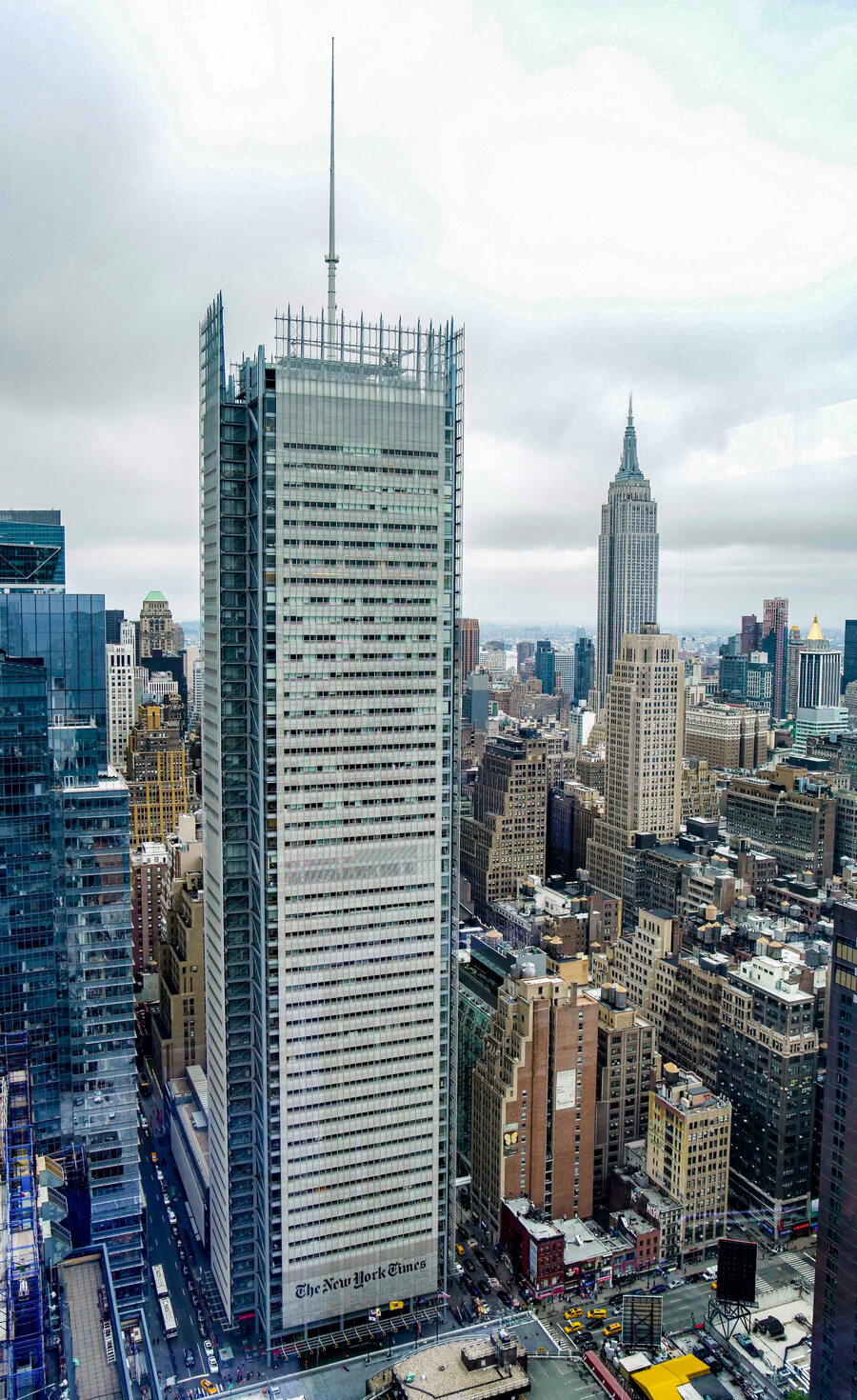
On December 16, 2017, the New York Times published an investigation under the joint byline of Helene Cooper, Ralph Blumenthal, and Leslie Kean that changed the terms of the public conversation about Unidentified Aerial Phenomena in a single morning. The story reported the existence of a secret Pentagon programme — the Advanced Aerospace Threat Identification Program — that had spent 22 million dollars investigating UAP encounters over a five-year period beginning in 2007. It published the Tic-Tac infrared video, since confirmed as genuine by the Department of Defense. It quoted, on the record, a former senior intelligence official and the programme's director. Within hours, the story was the most-read piece on the New York Times website. By the end of the day, it had been translated into dozens of languages.
The investigation had been years in preparation. Leslie Kean, the journalist whose 2010 book UFOs: Generals, Pilots and Government Officials Go on the Record had established her as the most credible mainstream reporter working the subject, had been in contact with Luis Elizondo — who had directed AATIP before resigning from the Pentagon in protest in October 2017 — and with Christopher Mellon, a former Deputy Assistant Secretary of Defense for Intelligence who had spent years trying to force the UAP question onto the official agenda. Both men had concluded that the only way to break the institutional deadlock was to take the story to the press. The Times provided the platform.
What made the 2017 investigation significant was not simply what it revealed but who was saying it. Elizondo was not a fringe researcher or a UFO enthusiast. He was a career counterintelligence officer who had spent years working the most sensitive programmes in the U.S. intelligence community. His willingness to speak, on the record, about what he had seen in the AATIP files — and his characterisation of those files as containing evidence of technology that no human programme could account for — carried a weight that previous disclosures had lacked. The paper of record had published it. The Pentagon had not denied it. The videos were real.
The response from the scientific community was, initially, largely dismissive — not because the evidence was examined and found wanting, but because the subject carried enough accumulated stigma that examination itself felt professionally risky. The response from Congress was more consequential. The Senate Intelligence Committee began requesting classified briefings. The Navy revised its UAP reporting procedures. A new institutional architecture began to take shape. The UAP Task Force was established in 2020. The All-domain Anomaly Resolution Office followed. Congressional reporting requirements were written into law.
Looking back from 2024, the December 2017 Times investigation stands as the most consequential piece of UAP journalism in the modern era — not because it answered the central question, but because it forced the question into the open with enough credibility and institutional weight to make it impossible to close again. The reporters who wrote it, and the sources who trusted them, opened a door that has not since been shut.
Watch: Luis Elizondo on AATIP — Interviews and Documentary
Explore related footage and documentary coverage on YouTube.
Recommended Reading
UFOs: Generals, Pilots and Government Officials Go on the Record — Leslie Kean
View on Amazon →